
How to Prepare for a Medicare Annual Medication Review

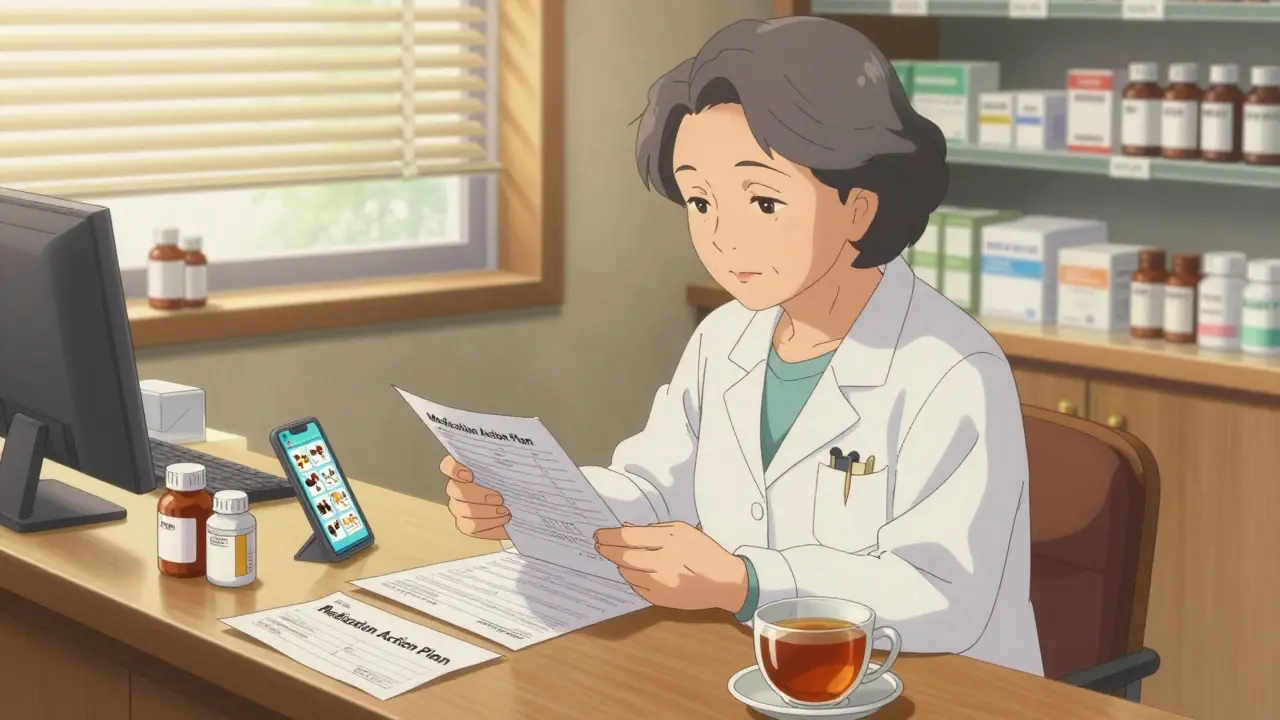
Every year, millions of Medicare beneficiaries get a chance to sit down with a pharmacist and go over every single medication they’re taking - not just prescriptions, but vitamins, supplements, and even over-the-counter pills. This isn’t a routine checkup. It’s a Medicare Annual Medication Review, officially called a Comprehensive Medication Review (CMR). And if you’re eligible, it’s one of the most valuable services you can use to avoid dangerous drug interactions, cut costs, and feel more in control of your health.
But here’s the catch: the review only works as well as the information you bring to it. Many people show up with a vague memory of their meds, or worse - nothing at all. And that’s when the review falls flat. The pharmacist can’t fix what they can’t see. The good news? Preparing properly takes less than an hour, and the payoff can be huge - like catching a dangerous interaction between your blood thinner and that fish oil you’ve been taking for years.
Who Qualifies for a Medicare Annual Medication Review?
Not everyone gets invited. Medicare Part D plans are required to offer this service, but only to people who meet specific criteria. As of 2025, you’re likely eligible if you have:
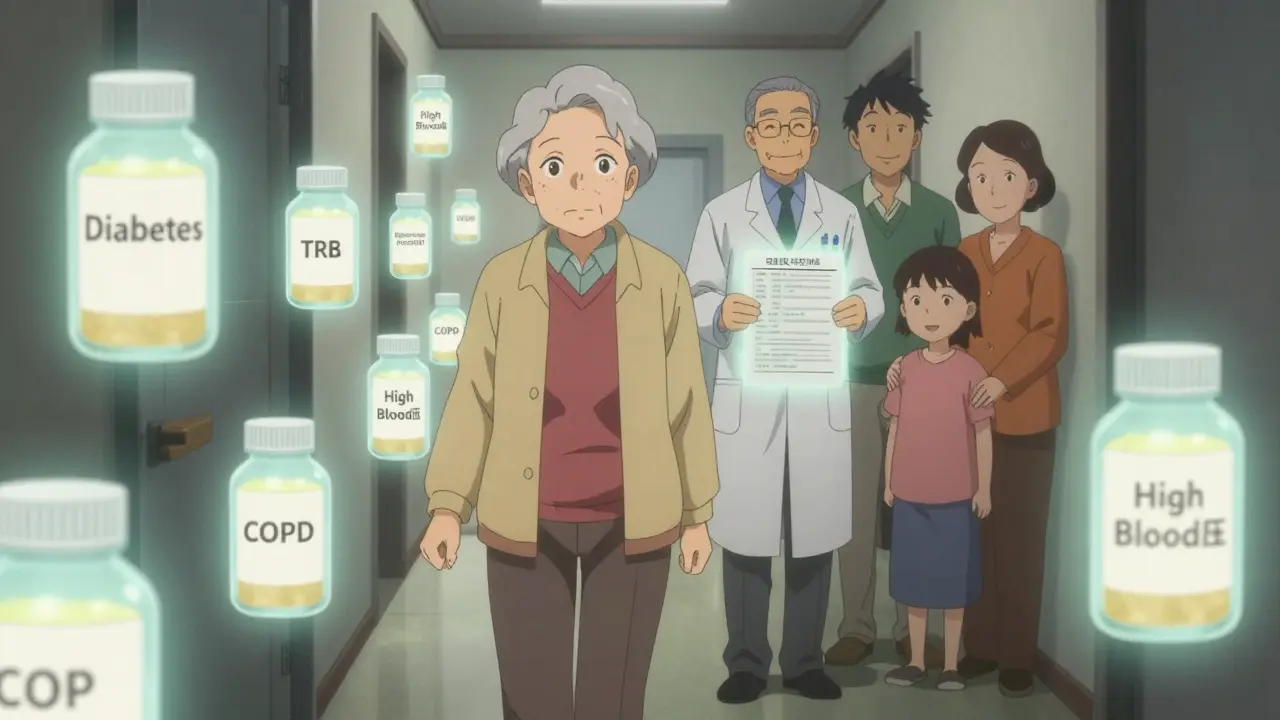
- At least three chronic health conditions (like diabetes, heart disease, COPD, or high blood pressure)
- Between two and eight Medicare Part D-covered prescription medications
- Spent at least $1,623 out-of-pocket on covered Part D drugs in the past year
These numbers changed in 2024 and 2025. The cost threshold dropped from over $4,000 to $1,623, meaning more people now qualify. Even if you don’t have three chronic conditions, you might still qualify if you’re in a high-risk group - like someone with kidney disease or recent hospitalizations. Your plan should send you a letter if you’re targeted. If you haven’t heard anything and think you fit the profile, call your Part D insurer. Don’t wait for them to find you.
What Gets Reviewed?
This isn’t just about your prescriptions. The pharmacist looks at everything:
- All prescription drugs (even those from different doctors)
- Over-the-counter meds (pain relievers, sleep aids, antacids)
- Vitamins, minerals, and supplements (iron, calcium, B12)
- Herbal remedies (ginkgo, garlic, St. John’s wort)
- Any non-prescription products you’re using for symptoms
Why include all of it? Because interactions don’t care if something is "natural" or "over-the-counter." Garlic can thin your blood. St. John’s wort can make your blood pressure med useless. Calcium supplements can mess with thyroid meds. The pharmacist isn’t judging - they’re connecting dots you didn’t even know were linked.
What Happens During the Review?
The review is a one-on-one conversation - either in person, over the phone, or via video call. It usually takes 30 to 60 minutes. The pharmacist will:
- Compare your actual medications with what’s on file
- Check for duplicates (like taking two different pills for the same thing)
- Look for dangerous interactions between drugs
- Assess whether you’re taking meds correctly
- Identify drugs that might not be needed anymore
- Find cheaper alternatives or generic switches
- Discuss side effects you’ve noticed
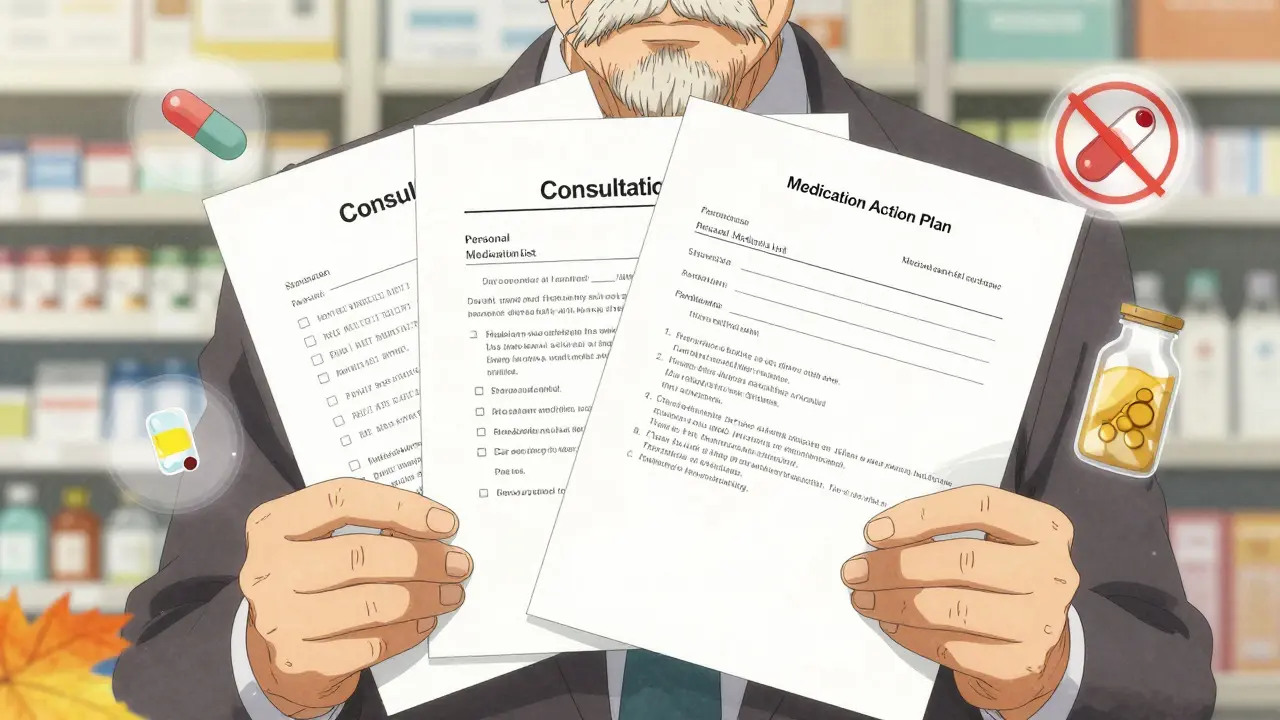
You’ll walk away with three documents:
- Consultation Letter - A summary of what was discussed
- Medication Action Plan - Clear steps you should take (like stopping a drug, switching brands, or seeing your doctor)
- Personal Medication List - An updated, easy-to-read list of everything you’re taking, with doses and times
This isn’t just paperwork. It’s your personal medication roadmap. Keep it in your wallet or phone. Show it to any new doctor.
How to Prepare - Step by Step
Preparation is the biggest factor in whether this review helps you. Here’s exactly what to do:
- Gather all your medications - Collect every pill bottle, box, or container you take. This includes the ones in your medicine cabinet, bathroom drawer, purse, and car. Don’t leave anything out. Even if you haven’t taken it in months, bring it. You might be surprised how many people forget their aspirin or their sleep aid.
- Take photos of each label - Snap clear pictures of the front and back of each container. This saves time if the pharmacist needs to check dosage, and you’ll have a backup if you lose the physical bottles.
- Write down your concerns - What’s bothering you? Do you feel dizzy after taking your blood pressure pill? Do you forget to take your diabetes meds on weekends? Are you paying too much for one of your drugs? Write these down. Don’t rely on memory.
- Bring your recent lab results - If you had blood work in the last 3 months (kidney, liver, cholesterol), bring those reports. Changes in your labs can explain why a med needs adjusting.
- Know your costs - Check your last few Part D statements. How much did you pay out-of-pocket last year? If you’re close to $1,623, you might qualify even if you weren’t contacted.
- Bring a helper - A family member or friend can help you remember questions, take notes, and catch things you might miss. Many people say this single step made the biggest difference.
For people with 8 or more medications, set aside 60 to 90 minutes for prep. For 4 to 7 meds, 30 to 45 minutes is enough. It’s not busywork - it’s insurance for your health.
What to Expect After the Review
After your review, the pharmacist will send you the three documents mentioned earlier. You’ll also get a follow-up call within 30 to 60 days to see how things are going. If they recommended stopping a drug, switching to a generic, or seeing your doctor - they’ll check in to make sure you followed through.
Some people get a surprise: a drug they’ve been on for years might be unnecessary. Maybe it was prescribed for a temporary issue that’s long passed. Maybe a newer, safer option exists. The pharmacist won’t make changes on their own - they’ll suggest talking to your doctor. But they’ll give you the facts to start that conversation.
One beneficiary in Ohio stopped taking a cholesterol drug after her review. She’d been on it for 12 years. Her pharmacist found no evidence she needed it anymore. Her doctor agreed. She saved $1,200 a year.
Common Mistakes People Make
Most failed reviews happen because of simple oversights:
- Not bringing pills - “I thought they had my list already.” They don’t. Claims data is often outdated or incomplete.
- Forgetting supplements - “It’s just a vitamin.” Not to a pharmacist. These can interact.
- Not preparing questions - “I didn’t know what to ask.” Write them down. Even “Is this still necessary?” counts.
- Going alone - Memory fades. Emotions cloud judgment. A second set of ears helps.
- Waiting for the letter - Don’t wait to be contacted. If you think you qualify, call your plan now.
One woman in Florida rescheduled her review twice because she didn’t bring her pills. The third time, she brought everything - and discovered her blood pressure med was making her dizzy. She switched to a safer one. She hasn’t fallen since.
Why This Matters - Real Results
Studies show that when people prepare for their CMR, satisfaction jumps from 42% to 78%. Why? Because they walk out with answers.
- One in five participants stopped at least one unnecessary medication
- One in three saved money by switching to generics or lower-cost options
- One in four avoided a dangerous drug interaction
And it’s not just about safety. It’s about dignity. Many seniors feel overwhelmed by their pillboxes. The CMR isn’t about judging - it’s about simplifying. Making sense of it all. Taking back control.
What’s Changing in 2026?
The program is getting smarter. In 2024, CMS started testing AI tools that help you prepare. These tools ask you questions about your meds and generate a checklist - saving time and reducing errors. Early results show a 22% drop in missed interactions when people used them.
Also, eligibility is expanding. More people with two chronic conditions - not three - are now being targeted. And plans are connecting directly to electronic health records, so your pharmacist sees your doctor’s notes too.
But none of this matters if you don’t show up prepared. The system is there. The tools are better. The money is being spent. Now, it’s your turn.
Next Steps - What to Do Right Now
Here’s what to do in the next 48 hours:
- Check your Medicare Part D statements. Did you spend over $1,623 last year on meds?
- Count your prescriptions. Do you have 2 to 8 Part D-covered drugs?
- Do you have three or more chronic conditions? (Diabetes, heart failure, COPD, arthritis, depression, kidney disease - yes, these count.)
- If you answered yes to all three - call your Part D insurer. Ask: “Am I eligible for a Comprehensive Medication Review?”
- If you’re not sure - start gathering your meds today. Put them all in one place. Take photos. Write down your questions. You’ll be ready when they call.
This isn’t a chore. It’s your right. And it’s one of the few times a healthcare system actually asks you to speak up - and then listens.
Do I have to pay for the Medicare Annual Medication Review?
No, there is no cost. The review is a free benefit included with your Medicare Part D plan. You don’t pay a copay, deductible, or anything else. It’s funded by your plan, not by you.
Can I have the review over the phone instead of in person?
Yes. You can choose to do the review over the phone, via video call, or in person at a pharmacy. Many people prefer phone or video because it’s more convenient. The pharmacist will still need to speak with you directly - no automated systems. You must have a live conversation.
What if I don’t have all my pill bottles?
Bring what you can. If you don’t have the original bottles, write down the drug name, dose, and how often you take it. If you have a pharmacy printout, bring that. Photos of labels on your phone work too. The goal is to give the pharmacist as much accurate info as possible - even partial info is better than none.
Will the pharmacist change my prescriptions?
No. Pharmacists can’t change your prescriptions. But they can recommend changes - like stopping a drug, switching to a generic, or adjusting the dose. They’ll give you a written suggestion and tell you to talk to your doctor. You’re in charge of the final decision.
I’m not on many meds. Do I still need this review?
If you don’t meet the eligibility criteria, you won’t be automatically offered one. But if you’re concerned about your meds - especially if you take supplements, OTC drugs, or have memory issues - you can still ask your pharmacist for a free medication check. Many pharmacies offer this as a courtesy, even if it’s not part of the official CMR program.
You might like

Jonah Mann
just brought my whole medicine cabinet to the pharmacy… turned out i was takin’ 2 diff’nt versions of the same blood pressure med. no wonder i felt like a zombie. pharmacist laughed, said this happens ALL the time. saved me $800 a year too. dumbest thing i ever did was assume they ‘knew’ what i was on.
THANGAVEL PARASAKTHI
as someone from india, i find this so relatable. here too, people take turmeric with every meal and think it’s ‘just a spice’. but when you’re on warfarin? it’s a whole different ballgame. glad the system is catching up. even if it’s slow.
Tricia O'Sullivan
I must say, this is one of the most thoughtfully composed articles I’ve encountered regarding Medicare benefits. The clarity with which the steps are outlined is genuinely commendable. I believe such structured guidance is precisely what many elderly individuals require to navigate an otherwise overwhelming system.
Scott Conner
wait so if i only have 2 chronic conditions now, i can still get this? i thought it was 3+. my doc says i have heart failure and gout… does that count? i’ve been too scared to ask my plan.
Elan Ricarte
ohhhhh sweet merciful Jesus. another government program that’s actually useful? who the fuck wrote this? did a bureaucrat have a brain transplant? this is the first time i’ve seen a healthcare guide that doesn’t sound like it was written by a robot on a 3am caffeine bender. seriously - if you’re reading this and you’re eligible? DO IT. don’t be that guy who forgets his fucking fish oil and then ends up in the ER because his blood’s turning to Jell-O.
Angie Datuin
i had my review last month. brought my daughter. she’s 24, never took meds in her life, but she remembered i was taking melatonin for sleep - i forgot. the pharmacist went pale. turns out melatonin + my heart med = bad news. we changed it. i haven’t slept better in years. thank god for helpers.
Camille Hall
i’ve been telling everyone i know about this. my mom’s on 11 meds. she thought the review was just a ‘sales pitch’ for cheaper pills. turns out they found 3 she didn’t need, including a 10-year-old antidepressant. she cried. not because she was upset - because she finally felt heard. this isn’t paperwork. it’s dignity.
Ritteka Goyal
in india we have no such luxury. our pharmacies are run by guys who don’t even know what ‘interaction’ means. i once saw a man take 3 different painkillers with aspirin and a herbal tonic - and they all said ‘safe’. i asked the pharmacist if he studied pharmacology. he laughed and said ‘madam, i am a pharmacist because my father was one’. i left. no one here understands that ‘natural’ doesn’t mean ‘harmless’. this article? it’s a godsend. i wish every indian senior had access to this.
Monica Warnick
sooo… i went to my review and they told me to stop my vitamin D. i’ve been taking it for 17 years. my cousin died of osteoporosis. i’m not stopping. they don’t know my family history. i’m not some lab rat for a pharmacist who thinks he’s smarter than my doctor. i’ll keep my vitamins. and my dignity.
Ashlyn Ellison
took 20 mins to gather everything. took 45 mins for the review. walked out with a list i can actually read. no jargon. no fluff. just facts. best 65 minutes of my year.
Chelsea Deflyss
you’re all so naive. this isn’t about health. it’s about insurance companies saving money. they want you to stop meds so they don’t have to pay for them. don’t be fooled. they’ll ‘recommend’ you stop something - then your doctor won’t refill it. you think they care? they care about profit margins. this is a trap disguised as help.
Lyle Whyatt
as an aussie who’s watched my mum go through this, i can say - the american system is actually kinda brilliant here. over here, we’ve got ‘medication reviews’ too, but they’re 10 minutes long and you’re lucky if they check your aspirin. this? this is thorough. the photos, the action plan, the follow-up? that’s what real care looks like. i’m sharing this with everyone back home. we need this.
Tatiana Barbosa
you’re not just saving money - you’re reclaiming your life. imagine waking up without brain fog. imagine knowing why you’re dizzy. imagine not being scared of your own pillbox. this isn’t a review. it’s a revolution. do it. now. your future self will hug you.
Ken Cooper
my wife and i did this last week. we brought our meds, our lab reports, even our old prescriptions from 2012. the pharmacist said, ‘this is the most prepared patient i’ve had all year.’ we got a 12-page action plan. i’m not exaggerating - i cried. not because i was sad. because for the first time in 10 years, i felt like someone actually saw me.
Susan Kwan
lol. you people are so cute. you think this is about ‘health’? nah. it’s about the pharmacy getting you to switch to their in-house generic brand. they don’t care if you’re safer. they care if you buy your pills from them. read the fine print - the ‘consultation letter’? it’s a marketing brochure in disguise. don’t be fooled.