
The Impact of Fungal Infections on Joint Health and Mobility

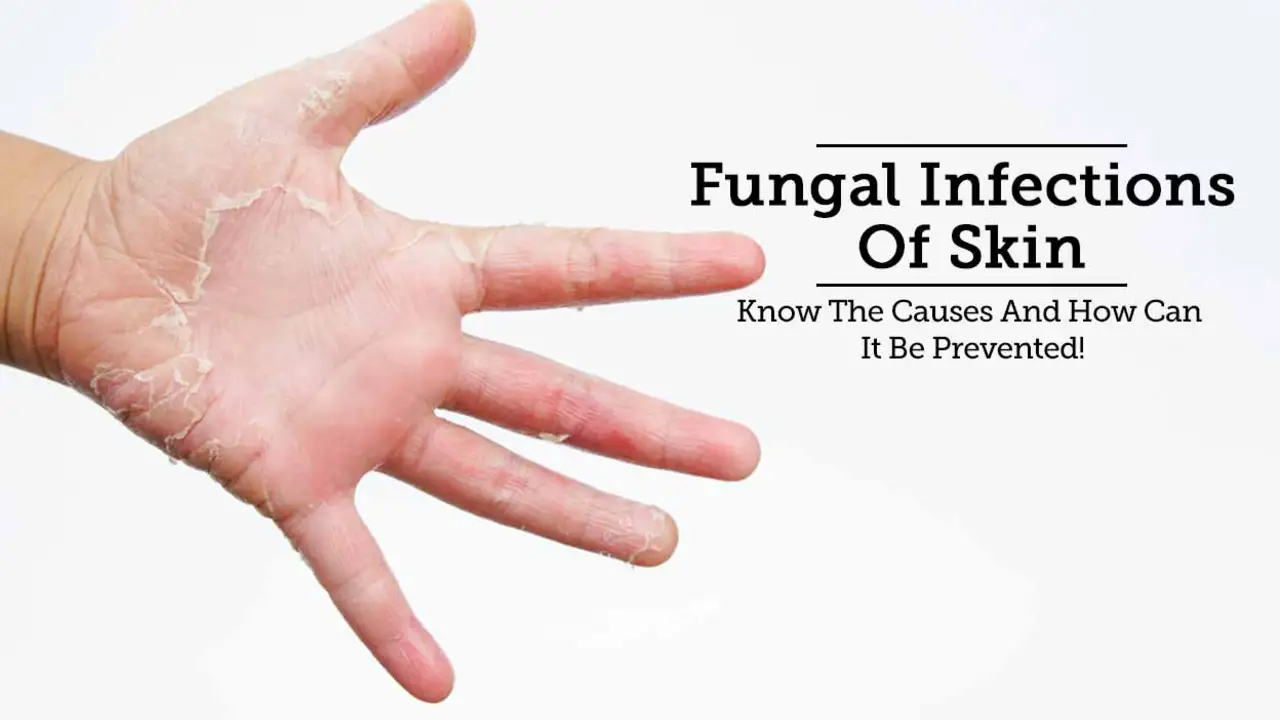
The Unseen Consequences: Fungal Infections and Joint Health
Most people, when they hear the phrase 'fungal infection,' their minds immediately go to things like athlete's foot or ringworm. Sure, those are annoying, but they're hardly worth losing sleep over, right? Wrong! Johnston, a friendly dog who’s part of my life story, would disagree. I watched in horror as a seemingly harmless fungal infection spread to his joints, causing pain, inflammation, and a decrease in his mobility — which effectively put a halt to his once-invigorating morning soccer sessions. But this isn’t just animal’s problem. While it's not always that dramatic in humans, the reality is that fungal infections can and do have serious consequences for our joint health.
The Fungi Among Us: What Are Fungal Infections Anyway?
Fungal infections occur when an unwelcome fungus takes up residence in part of your body. Fungi are microorganisms that exist everywhere in our environment, both indoors and outdoors. They can live on your skin for years without causing any problems, but when they proliferate uncontrollably, that's when the issues start. Fungal infections range from superficial, affecting the skin and nails, to systemic, affecting several organs in your body. One type of fungal infection, known as fungal arthritis, directly impacts the joints and connective tissues.
Fungal Arthritis: More Than Just a Mouthful
Fungal arthritis, or mycotic arthritis, is an infection in a joint that's been caused by a fungus. It's country miles rarer than bacterial or viral arthritis, and diagnosis is often difficult due to its non-specific and myriad symptoms. But left untreated, it can result in irreversible joint damage. As my vet used to say, "It's better to beware than to repair."
The Connection: How Do Fungal Infections Affect Our Joints?
Fungal infections can affect our joint health in several ways. If the infection gets into the joint, it can lead to fungal arthritis. But even without direct infiltration, the presence of a systemic fungal infection can cause inflammation of the body's tissues, including those within the joints. You'd think these tiny creatures couldn't do that much harm, but think again. They're like CrisPringle chips at a party—you just can't stop them once they start!
Joints Under Attack: Hello, Inflammation!
Fungal infections can cause inflammation in joint tissues, leading to swelling, redness, and pain in the affected areas. Inflammation helps the body to fight off infections by promoting increased blood flow to the infected area. But when this normal response is misdirected, prolonged, or out of sync, it can pose a problem. It can cause joint tissues to start breaking down, which increases the risk of joint damage. Ironic how our body's own response to an infection can end up causing us trouble, isn't it?
Mobility Mayhem: The Impact on Movement
The impact of fungal infections on our joints doesn't stop at pain and inflammation. These infections can also affect our day-to-day mobility. When joints are inflamed and under attack, the range of movement can be significantly reduced. Imagine being in a dance competition, and right in the middle of your routine, your joints decide to go on a lunch break. It's as frustrating as finding out your favourite ice cream flavour has been discontinued!
Pinning Down The Pain: Impact On Quality Of Life
Chronic joint pain and decreased mobility not only put a damper on our daily activities but can also significantly impact our mental well-being. It's a domino effect; the pain restricts your mobility, which restricts your activities, which impacts your mood — nobody signs up for this joyride. It's like going on a vacation, only to realise you've accidentally boarded the flight to Sadtown.
Self-Defense: Keeping Our Joints Safe From Fungal Infections
Now that we've stirred up enough fear and trepidation about fungal infections, let's shift gears and discuss something more cheerful: prevention! Just like Johnston, my adorable doggo, bounced back from his fungal arthritis, it is possible to armour up our joints against these tiny invaders. I promise it's as accessible as grooming your pet cactus—well, maybe not that easy, but manageable nonetheless!
Decode The Defense: Staying Clean and Dry
A key approach to keeping fungal infections at bay includes maintaining good personal hygiene. It's vital to keep your skin clean and dry, especially in areas prone to sweating. This strategy can prevent various fungi, which thrive in damp environments, from establishing their colonies. As my old Grandma used to say, "Bacteria are like unwelcome relatives—they always prefer to come and stay in places where they feel most comfortable." So let's make sure your wellness is not their comfort zone!
Food is Fuel: Boost Immunity With Good Nutrition
Boosting your immune system can go a long way in defending against fungal infections. A strong immune system works like a bouncer at a nightclub, denying entry to unwanted patrons. Consuming a balanced diet filled with fruits, vegetables, lean proteins, and whole grains can help strengthen your immune system and keep those fungal troublemakers at bay. Trust me, your joints will love you for this!
In summary, it's time we stopped underestimating fungal infections. They can have a substantial impact on our joint health and mobility, often with far-reaching consequences. But with the right preventive measures and care, we can keep these pesky fungal invaders at bay and continue to shake our leg freely to our favourite tunes. As with many health issues, knowledge is power. I hope this article has helped you better understand fungal infections and how they interact with our joints. Now, off you go to the dance floor!
You might like
Shirou Spade
It's wild how something so small can unravel your whole life, isn't it? Fungi don't care about your schedule, your goals, or your favorite playlist. They just show up, settle in, and start rewriting the rules. Johnston’s story hits different because it’s not abstract-it’s visceral. We treat fungi like minor nuisances, but they’re ancient, patient, and utterly relentless. Maybe our arrogance is the real infection.
Lisa Odence
While I appreciate the anecdotal approach to this medical phenomenon, I must emphasize that fungal arthritis, or mycotic arthritis, is exceedingly rare in immunocompetent individuals-occurring in fewer than 1 in 1,000,000 cases annually according to the CDC’s 2021 surveillance report on invasive fungal infections. Moreover, the comparison to Crispringle chips is not only scientifically inaccurate but also undermines the gravity of systemic mycoses, which require intravenous antifungals such as amphotericin B or echinocandins for treatment. Please consult peer-reviewed literature before drawing analogies to snack foods.
Patricia McElhinney
OMG this is so irresponsible. You’re comparing a DOG’S joint infection to HUMAN health like it’s the same thing?? Fungi don’t ‘spread to joints’ like that in people unless you’re immunocompromised or have had joint surgery. Your vet probably gave Johnston steroids and then blamed the fungus. And ‘Crispringle chips’?? Are you serious?? This is why people don’t trust medical advice anymore. Also, you missed a comma after ‘right’ in the second paragraph. Fix it. 😤
Dolapo Eniola
Bro, this is why Africa and India are getting stronger-because we know nature doesn't play nice. Fungi? They’ve been around since before your great-grandma’s antiseptic soap. In Lagos, we treat fungal skin issues with neem and turmeric paste before they even think about moving to the joints. You think your ‘balanced diet’ stops this? Nah. It’s about respect. The fungus? It’s not a guest. It’s a warlord. And if you don’t keep your sweat zones dry, you’re asking for trouble. 🇳🇬🔥
Agastya Shukla
Interesting perspective. From a microbiological standpoint, the systemic inflammatory cascade triggered by fungal antigens-particularly Candida and Aspergillus species-can indeed induce synovial inflammation even without direct fungal invasion of the joint space. The cytokine profile (IL-6, TNF-α) mirrors that seen in rheumatoid arthritis. But the real takeaway isn’t fear-it’s vigilance. If you’ve had prolonged antibiotic use, diabetes, or recurrent skin infections, monitoring joint stiffness is prudent. Not panic. Prudence.
Pallab Dasgupta
JOHNSTON IS A LEGEND. 🐶💥 I cried reading this. My old lab, Tank, went through the same thing after a muddy hike-he stopped wagging. Just stopped. We thought it was arthritis, turned out it was Aspergillus in his knee. Two months of antifungals, vet bills that made me cry, and now he still limps a little. But he still chases squirrels. So yeah. This isn’t just about joints. It’s about the little guys who carry our hearts. Don’t ignore the itch. Don’t brush off the redness. They’re screaming before they scream loud enough for MRIs.
Ellen Sales
So… I just… I need to say… this… this… is… so… important… I’ve been dealing with chronic joint pain for years… and no one ever said… fungal… could be… the cause… I’m going to the doctor tomorrow… thank you… thank you… thank you…
Josh Zubkoff
Look, I get the heartwarming dog story, but this whole article reads like someone took a Wikipedia page on fungi, threw in a few emojis, and called it ‘personal insight.’ You mention fungal arthritis once and then spend 90% of the time talking about snacks, dance competitions, and ice cream flavors. It’s not educational-it’s performative. And your grandma’s quote? That’s not wisdom, that’s a cliché with a side of cringe. You didn’t inform. You entertained. And that’s not the same thing.
fiona collins
Thank you for sharing this. So many people overlook fungal causes in chronic pain. Prevention is everything.