
Drug Interactions Discovered Post-Market: What It Means for Your Safety
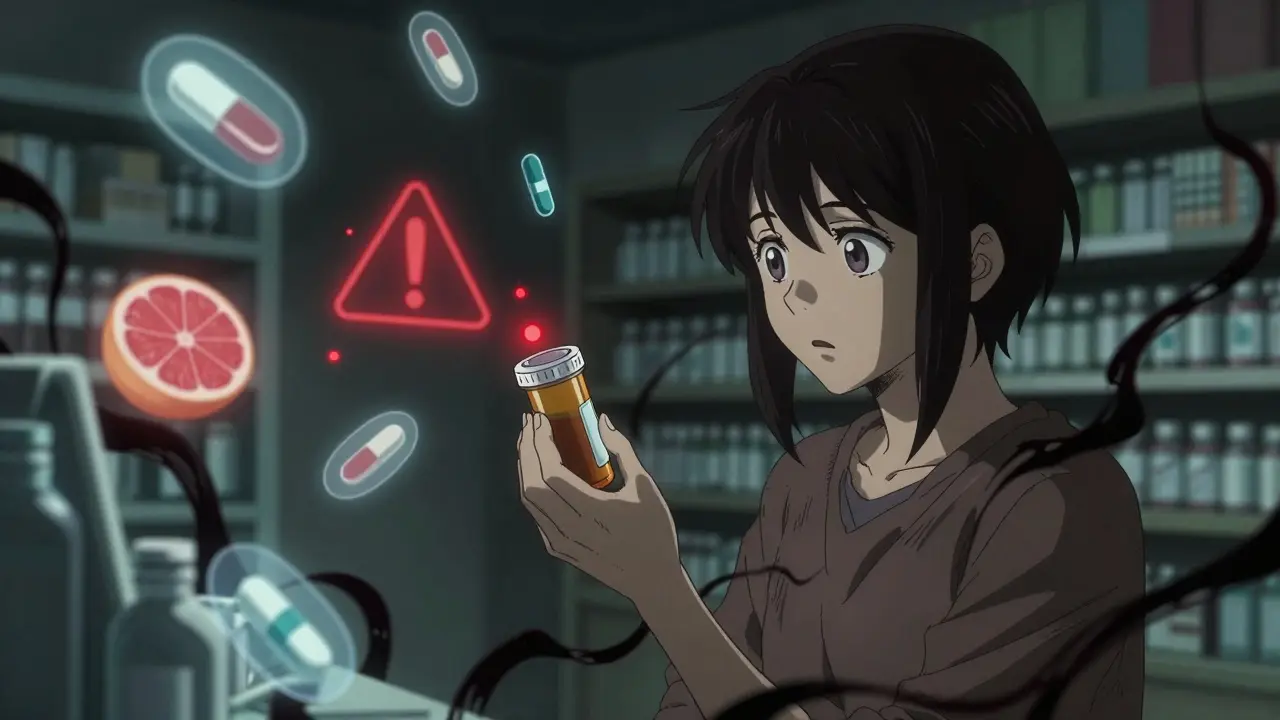
When you pick up a new prescription, you expect your doctor or pharmacist to warn you about possible side effects. But what if the biggest danger isn’t listed on the label? That’s the reality for thousands of people every year. Many dangerous drug interactions aren’t found until after a medication has been on the market for months-or even years. These are called drug interactions discovered post-market, and they’re one of the most serious blind spots in modern medicine.
Why Clinical Trials Miss Dangerous Mixes
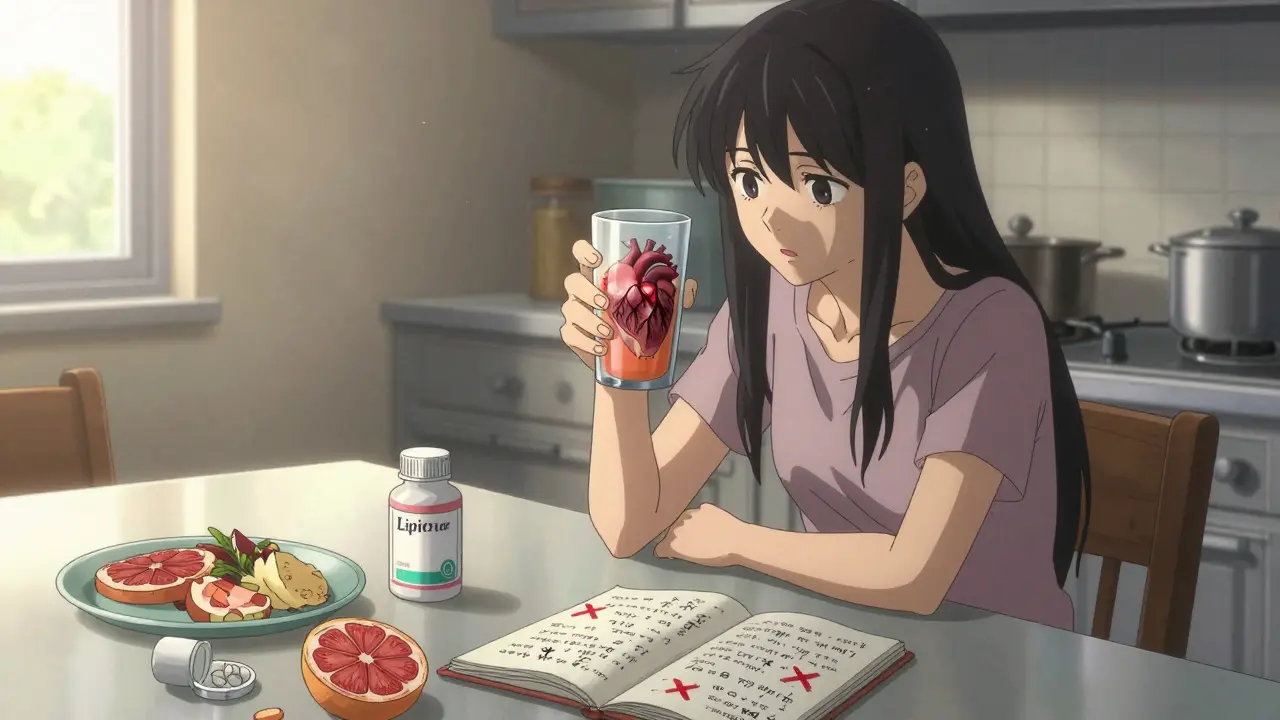
Clinical trials are designed to test whether a drug works and is safe under controlled conditions. But they don’t reflect real life. Most trials involve only 1,000 to 5,000 people, often healthy adults without other illnesses. They last six to twelve months. That’s not enough to catch problems that only show up after years of use, or in older patients taking five different pills, or when someone drinks grapefruit juice with their statin. Take simvastatin (Zocor), a common cholesterol drug. Before it hit shelves, trials didn’t flag a deadly risk: combining it with fluconazole, a common antifungal, could spike simvastatin levels by up to 10 times. That leads to rhabdomyolysis-a condition where muscle tissue breaks down, damaging kidneys and sometimes causing death. This interaction wasn’t clear until after millions of people had used both drugs. By then, over 2,800 reports of rhabdomyolysis linked to this combo had been filed with the FDA. Grapefruit juice is another silent killer. It blocks the enzyme CYP3A4, which normally breaks down drugs like atorvastatin (Lipitor). Without that brake, Lipitor builds up in the blood. One study showed levels rising 15-fold after just one glass of grapefruit juice. That’s not a minor bump-it’s a dangerous overload. Yet, many patients still aren’t warned.Three Types of Hidden Risks
Post-market drug interactions fall into three categories, and each can catch you off guard.- Drug-drug interactions: One medication changes how another works. Like when the antibiotic ciprofloxacin slows down the metabolism of blood thinners like warfarin, leading to dangerous bleeding. Or when St. John’s Wort, a popular herbal supplement, makes birth control pills fail or reduces the effectiveness of antidepressants and heart medications.
- Drug-condition interactions: Your health condition makes a drug riskier. For example, people with kidney disease may build up too much of a drug like metformin, leading to lactic acidosis. Or someone with liver disease may not process benzodiazepines properly, causing excessive sedation.
- Drug-food interactions: What you eat or drink changes how your body handles medicine. Grapefruit juice is the most famous, but dairy can block antibiotics like tetracycline. Alcohol can turn painkillers like hydrocodone into a time bomb, especially with extended-release forms. One FDA report found that 18 months after Exalgo (extended-release hydromorphone) hit the market, patients were dying from alcohol-triggered “dose dumping”-a sudden flood of the drug into the bloodstream.
The System That Catches What Trials Can’t
After the thalidomide disaster in the 1960s, where thousands of babies were born with severe birth defects, the world realized clinical trials aren’t enough. That’s how post-market surveillance was born. Today, the FDA’s FAERS system collects over 2 million reports a year from doctors, pharmacists, and patients. The European Medicines Agency runs EudraVigilance, which does the same for 30+ countries. These systems don’t just collect reports-they use AI to spot patterns. Since 2017, EudraVigilance has cut signal detection time from 18 months to just 45 days. The FDA’s Sentinel Initiative, launched in 2008, takes it further. It analyzes real-time data from 300 million patient records across hospitals, insurers, and clinics. It doesn’t wait for someone to report a problem-it finds hidden trends in billing codes, lab results, and prescriptions. The results? About 20% of new drugs get a black box warning after approval-the strongest safety alert the FDA can issue. Four percent are pulled from the market entirely. Terfenadine (Seldane), a popular antihistamine, was removed after doctors noticed fatal heart rhythms when patients took it with ketoconazole. Pergolide, a Parkinson’s drug, was pulled after it caused heart valve damage in 1 million patient-years of use. Benfluorex (Mediator), sold for weight loss in France, led to 5,000 cases of heart damage before it was withdrawn in 2009-after 5 million people had taken it.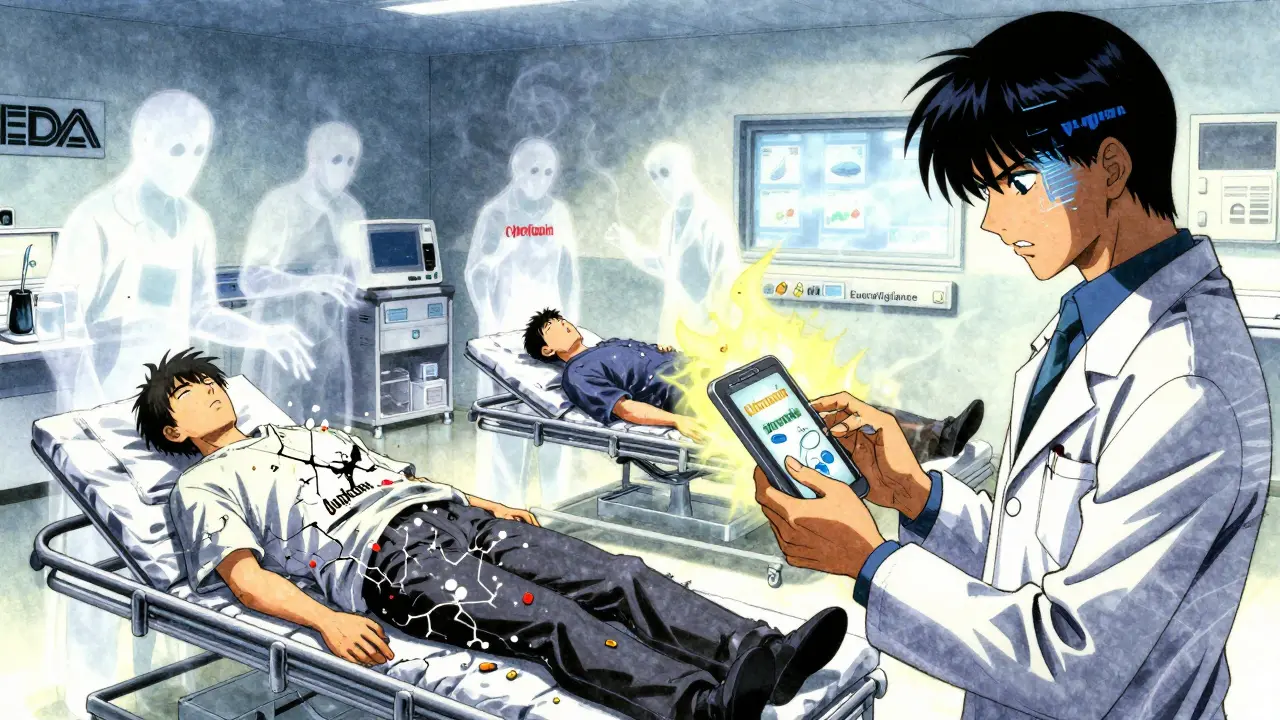
Why So Many Cases Go Unreported
Here’s the scary part: only 5-10% of actual adverse events are reported. That means for every one case that reaches the FDA, 10 to 20 more go unnoticed. Why? Doctors are busy. Patients don’t connect their muscle pain to a new pill they started six weeks ago. Pharmacists may not have time to check every combo. And many people don’t even tell their doctor they’re taking herbal supplements like St. John’s Wort or turmeric. One Reddit user shared how they ended up in the ER with kidney damage after combining Lipitor with an antifungal. “My doctor didn’t warn me,” they wrote. Another user said they took ciprofloxacin with their blood pressure meds-until a pharmacist flagged the risk of QT prolongation, a dangerous heart rhythm. “That warning saved my life,” they said. The problem isn’t just lack of awareness-it’s poor labeling. Many drug labels still say “may interact” without specifics. They don’t say how much grapefruit juice is dangerous, or whether it’s safe to take with ibuprofen, or what to do if you miss a dose.What You Can Do to Protect Yourself
You can’t rely on the system alone. You need to be your own advocate.- Keep a full list of everything you take: prescriptions, OTC meds, vitamins, herbs, supplements, even CBD oil. Update it every time something changes.
- Ask your pharmacist every time you pick up a new prescription: “Could this interact with anything else I’m taking?” Don’t assume they already know.
- Use free tools like GoodRx or Medscape’s Drug Interaction Checker. They’re not perfect, but they catch the big ones. One Trustpilot reviewer said, “It warned me about ciprofloxacin and my blood pressure meds. My pharmacist confirmed it could have killed me.”
- Watch for new symptoms after starting a drug: unexplained muscle pain, dizziness, confusion, irregular heartbeat, nausea, or unusual bruising. Don’t wait for your next appointment. Call your doctor.
- Don’t skip follow-ups. If you’re on a new drug, especially for chronic conditions, schedule a check-in in 30 days. That’s when many interactions become obvious.
The Future Is Here-But It’s Not Perfect
Technology is catching up. Oracle Health Sciences launched an AI platform in early 2023 that analyzes 10,000 adverse event reports daily with 92.7% accuracy. The NIH’s Pharmacogenomics Research Network is now studying how your genes affect how you respond to drugs. Some people metabolize statins slowly because of a genetic variant-making them far more prone to side effects. Pharmaceutical companies are spending more than ever on pharmacovigilance. The global market grew from $5.8 billion in 2020 to $7.3 billion in 2022. Big firms now have teams of pharmacovigilance specialists who spend 18-24 months training just to interpret reports correctly. But money and tech won’t fix the core problem: we still treat drugs as if they’re used in isolation. In real life, people take multiple meds, have multiple conditions, and eat real food. Until labels, systems, and training catch up to that reality, dangerous interactions will keep slipping through.What This Means for You
The fact that drug interactions are discovered after a drug is already in your medicine cabinet doesn’t mean you’re powerless. It means you need to be more careful than ever. Your doctor isn’t ignoring you-they’re working with incomplete data. The system isn’t broken-it’s just slow. The safest approach? Assume every new drug could interact with something you’re already taking. Ask questions. Double-check. Keep records. And never assume a pill is safe just because it’s FDA-approved. The truth is, the real test of a drug isn’t in the lab. It’s in the real world-with real people, real diets, and real lives. And that’s where safety truly begins.How common are post-market drug interactions?
About one in three new drugs approved over the last decade had a major safety event after launch-like a black box warning, recall, or safety alert. Drug interactions account for a significant portion of these events. Studies show 15-20% of hospital admissions for adverse drug events are due to interactions that weren’t detected during clinical trials.
Can I trust my pharmacist to catch all interactions?
Most pharmacists do their best, but they’re often overwhelmed. A single prescription can involve dozens of possible interactions, and not all systems flag them clearly. Some interactions, like those involving herbal supplements, aren’t even in standard databases. Always bring your full list of medications and ask: “Is there anything here that could be dangerous together?”
Why aren’t these interactions listed on the drug label?
Because they weren’t known when the drug was approved. Labels are written based on pre-market data. Once a new interaction is found, the FDA requires the manufacturer to update the label-but that process can take months. In the meantime, the warning may still be missing. That’s why checking with a pharmacist or using an interactive tool is essential.
Are herbal supplements safe to take with prescription drugs?
No. Many herbal products interact dangerously with medications. St. John’s Wort can make birth control, antidepressants, and blood thinners ineffective. Garlic and ginkgo can increase bleeding risk with warfarin. Turmeric can interfere with diabetes meds. Just because something is “natural” doesn’t mean it’s safe to mix.
What should I do if I think I’m having a drug interaction?
Stop taking the suspected medication immediately and call your doctor or pharmacist. If you have symptoms like chest pain, severe muscle pain, confusion, difficulty breathing, or unusual bleeding, go to the ER. Report the reaction to the FDA’s MedWatch program-it helps others avoid the same problem.
You might like
anthony epps
I took Zocor for a year and never knew grapefruit juice could mess with it. My grandma died from muscle breakdown and no one ever told us. Just another thing they don't warn you about until it's too late.
Dylan Smith
Doctors act like they know everything but they're just reading off a checklist. I asked my pharmacist about my statin and St. John's Wort and she said 'probably fine' then turned away. That's not good enough. People are dying because no one takes responsibility for what's in the bottle
James Rayner
It's fascinating how we treat medicine like it's a solitary thing... like a single tool in a toolbox. But the human body? It's a symphony of systems, all interacting. A drug isn't just a molecule-it's a note in a chord. And when you add another note-herbs, food, another pill-you change the whole harmony. We've built a system that tests notes in isolation... but life plays the whole song. And that's where the dissonance kills.
It's not just about data or AI or FDA reports. It's about humility. We don't understand the whole system. We just think we do.
And yet... we keep prescribing like we're engineers tuning a machine. We're not. We're gardeners trying to control a wild forest with a pair of scissors.
The real tragedy isn't the missing warnings. It's that we still believe one more study, one more algorithm, one more label will fix this. It won't. We need to stop pretending we control biology. We just observe it. And listen. Really listen.
Maybe then we'll stop treating patients like test subjects and start treating them like people.
Souhardya Paul
Hey everyone, I'm a pharmacist and I see this every day. The system is broken but it's not hopeless. I keep a printed interaction checklist on my counter. Every time someone picks up a new script, I go through it with them-no exceptions. Even if they roll their eyes. Even if it takes 10 extra minutes. I've prevented three ER visits this year alone just by asking 'what else are you taking?'
And yes, herbal stuff is the biggest blind spot. One guy came in with turmeric capsules and blood thinners. I told him it was like playing Russian roulette with his kidneys. He laughed. Two weeks later he was in the hospital with a GI bleed. Don't be that guy.
Use GoodRx. Keep a list. Ask. Even if you think it's dumb. It's not dumb. It's survival.
Josias Ariel Mahlangu
This is what happens when you let corporations run medicine. They don't care if you live or die as long as the profits keep flowing. The FDA? A rubber stamp for Big Pharma. They knew about these interactions for years. They just waited until the patent expired to warn people. That's not oversight. That's corporate murder.
And now they want you to trust their 'AI systems' like that's some kind of miracle? Wake up. They're still profit-driven. The only person who will save you is you. And even then, you're fighting a rigged game.
Arun ana
India has the same problem. People take ayurvedic supplements with blood pressure meds and don't tell anyone. My uncle had a stroke because he mixed ashwagandha with lisinopril. No one warned him. The doctor didn't even ask about 'natural remedies'. 😔
Maybe we need a global database? Or a simple app that scans your pills and says 'DANGER' in red? 🚨
Dave Alponvyr
So let me get this straight... we spend billions on drug trials but can't be bothered to tell people not to eat grapefruit with their statin? 🤦♂️
My 72-year-old mom took Lipitor for 8 years. Never told her about grapefruit. Now she's on a new med and I had to Google it myself. Thanks, healthcare system.
Cassandra Collins
THEY KNOW. THEYve been hiding this for DECADES. The FDA, Big Pharma, the WHO-theyre all in on it. Why? Because if people knew how dangerous these combos were, theyd stop taking pills. And then the profits would CRASH. Thats why they bury the reports. Thats why the labels say 'may interact' instead of 'WILL KILL YOU'. And dont even get me started on the vaccines being used to track us through our meds. Its all connected. The pills, the microchips, the 5G... its all one big control system. You think your statin is just for cholesterol? Think again. 🕵️♀️
Elizabeth Bauman
As an American woman who's lost two family members to bad drug interactions, I'm sick of this. Other countries have better systems. Why are we so lazy? Why do we let corporations decide what's safe? We need mandatory real-time interaction alerts built into every pharmacy system. No excuses. And if you're taking supplements, you should have to sign a waiver. That's not extreme-that's common sense. America needs to wake up before more people die.