
Drug Interactions Explained: How They Threaten Medication Safety and What to Do

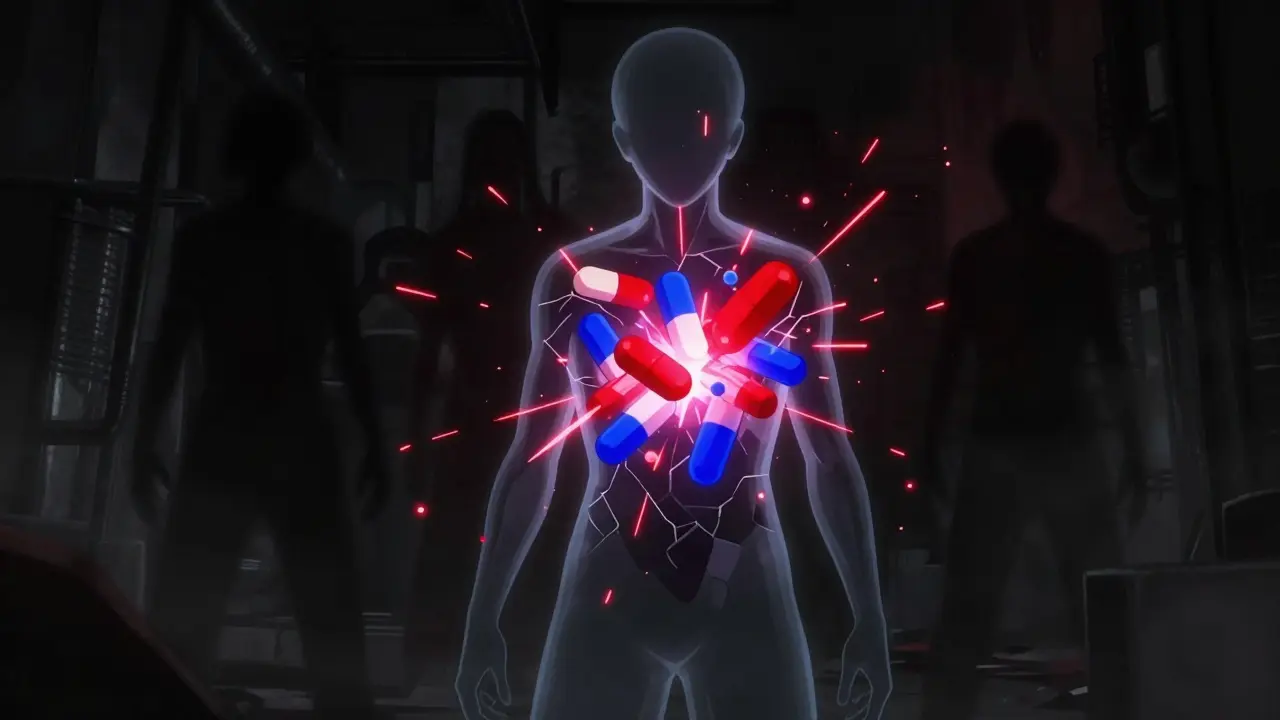
Imagine you are taking a blood thinner for your heart health. You feel fine. Then, you pick up a bottle of cranberry juice or start an antibiotic for a minor infection. Suddenly, your risk of bleeding spikes dangerously high. This isn't a rare horror story; it is a daily reality for millions of people who do not realize that substances they take together can change how their bodies work.
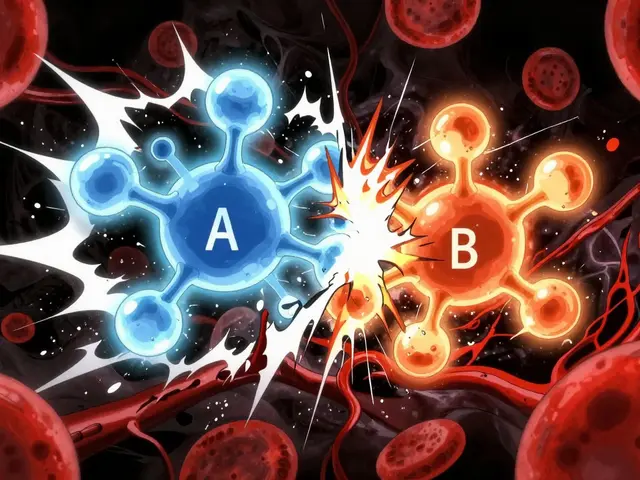
Drug interactions happen when one substance changes the way another works in your body. It might make a medicine less effective, so it doesn't treat your condition. Or, worse, it might make the drug too strong, leading to toxic side effects. According to a 2022 study in JAMA Internal Medicine, serious drug interactions cause an estimated 106,000 deaths annually in the United States alone. That is more than the number of deaths from car accidents each year. Understanding these hidden dangers is not just medical trivia; it is a matter of life and death.
What Exactly Is a Drug Interaction?
At its core, a drug interaction is a situation where the effect of a medication is altered by co-administration of another drug, food, herbal product, or existing medical condition. Think of your body as a busy highway system. Each medication is a car trying to reach its destination (your cells) to do its job. Sometimes, another car blocks the lane. Sometimes, two cars crash. Other times, a road closure (like liver disease) stops traffic entirely.
There are three main types of interactions you need to know about:
- Drug-Drug Interactions: This is the most common type, accounting for about 80% of clinically significant cases. It happens when two medications interfere with each other. For example, taking a sedative with an antidepressant might cause excessive drowsiness or breathing problems.
- Drug-Food/Drink Interactions: About 15% of interactions involve what you eat or drink. The classic example is grapefruit juice. Compounds in grapefruit called furanocoumarins block enzymes in your intestine, causing drugs like statins to build up to dangerous levels in your blood-sometimes increasing concentrations by 300% to 600%.
- Drug-Condition Interactions: These occur when a health condition changes how a drug works. For instance, if you have kidney disease, your body may not clear certain antibiotics properly, leading to toxicity even at normal doses.
The Science Behind the Clash: Pharmacokinetics vs. Pharmacodynamics
To understand why interactions happen, we have to look at the mechanics. Experts divide them into two categories: pharmacokinetic and pharmacodynamic.
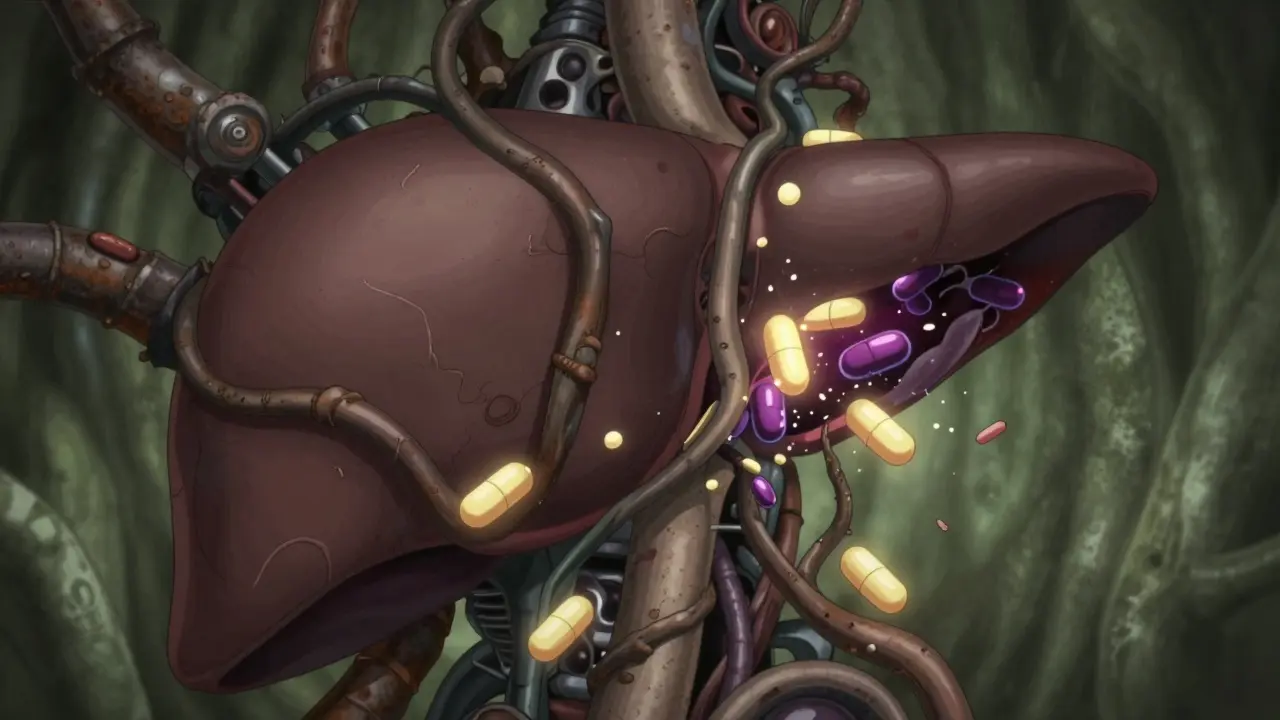
Pharmacokinetic interactions deal with what your body does to the drug. This includes absorption, distribution, metabolism, and excretion. A huge player here is the liver enzyme family known as cytochrome P450 (CYP450). Specifically, the CYP3A4 enzyme metabolizes about 50% of all prescription drugs. If you take a drug that inhibits this enzyme, like the antifungal fluconazole, other drugs processed by the same pathway cannot break down fast enough. Their levels in your blood skyrocket. In one documented case, combining fluconazole with simvastatin raised statin levels by up to 2,000%, triggering rhabdomyolysis-a severe muscle breakdown that can lead to kidney failure.
Pharmacodynamic interactions deal with what the drug does to your body. This happens when two drugs act on the same target or system. Imagine taking two different painkillers that both depress your central nervous system. The result is an additive effect: you get twice the sedation, but not twice the pain relief. Conversely, antagonistic effects occur when drugs fight each other. Nonsteroidal anti-inflammatory drugs (NSAIDs) like ibuprofen can reduce the effectiveness of diuretics (water pills) by causing your kidneys to hold onto salt and fluid, counteracting the diuretic's purpose.
| Medication | Primary Use | Number of Known Interactions | Common Dangerous Triggers |
|---|---|---|---|
| Warfarin (Coumadin) | Blood Thinner | 600+ | Antibiotics, Antifungals, Cranberry Juice, Vitamin K-rich foods |
| Digoxin (Lanoxin) | Heart Failure/Rhythm | 300+ | Certain Antibiotics, Diuretics, Amiodarone |
| Levothyroxine (Synthroid) | Thyroid Hormone | 200+ | Calcium Supplements, Iron Supplements, Antacids |
| Simvastatin (Zocor) | Cholesterol Lowering | High Risk | Grapefruit Juice, Fluconazole, Gemfibrozil |
Why Polypharmacy Makes Things Worse
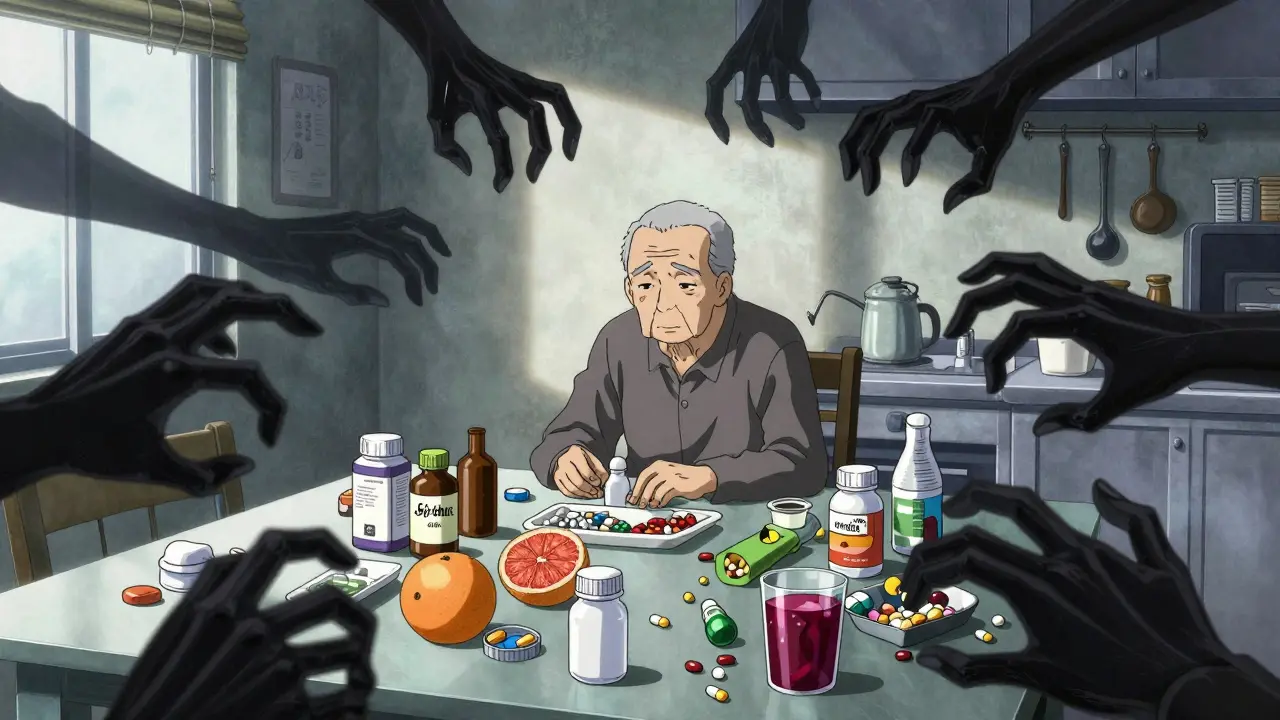
If you only take one pill, your risk is low. But many people, especially older adults, take multiple medications. This practice is called polypharmacy. The average patient takes 1.5 prescription drugs and 1.2 over-the-counter products simultaneously. For elderly patients, the average jumps to 4.7 prescriptions daily.
The danger multiplies exponentially. An older adult is three times more likely to experience a drug interaction than a younger person. Why? As we age, our liver and kidney function decline, slowing down drug metabolism. We also tend to have more chronic conditions, meaning more doctors prescribing different meds without always talking to each other.
A 2022 study found that 34% of patients discharged from hospitals had at least one undocumented interaction risk because their care was fragmented. Specialists often focus on their specific organ-the cardiologist cares about the heart, the endocrinologist about diabetes-but few look at the whole picture of what is happening inside the patient's body when all those pills mix together.
Hidden Dangers: Supplements and Over-the-Counter Drugs
Many people think "natural" means safe. This is a dangerous myth. Herbal supplements and vitamins are still drugs in the eyes of your liver and kidneys.
St. John’s Wort, a popular supplement for mild depression, is a potent inducer of CYP3A4 enzymes. It speeds up the breakdown of many drugs, making birth control pills, HIV medications, and transplant rejection drugs less effective. People have become pregnant or rejected transplants because they didn't tell their doctor they were taking St. John’s Wort.
Similarly, calcium and iron supplements can bind to thyroid medication (levothyroxine) in the stomach, preventing absorption. If you take them at the same time, you might as well be throwing your thyroid pill away. The rule of thumb? Separate them by at least four hours.
How to Protect Yourself: A Practical Checklist
You don't need to be a pharmacist to stay safe. You just need to be proactive. Here is how to manage your medication safety effectively.
- Use One Pharmacy: When you use a single pharmacy for all your prescriptions, their computer system automatically checks for interactions. If you split your orders between CVS, Walgreens, and a hospital pharmacy, no single system sees the full picture.
- Keep a Master List: Carry a written list of every medication, supplement, and vitamin you take. Include dosages and frequencies. Update it every time a doctor adds or removes something.
- Ask About OTCs: Before buying ibuprofen, antacids, or sleep aids, ask your pharmacist if they interact with your current meds. Many common cold medicines contain ingredients that raise blood pressure or interact with antidepressants.
- Watch Your Diet: Ask specifically about food restrictions. If you are on warfarin, you need consistent Vitamin K intake. If you are on statins, avoid grapefruit juice entirely.
- Schedule Med Reviews: At least once a year, ask your doctor or pharmacist for a comprehensive medication review. They can identify "deprescribing" opportunities-meds you no longer need that only add risk.
The Role of Technology and Future Solutions
Technology is helping, but it has limits. Electronic Health Records (EHRs) in hospitals now flag interactions, but alert fatigue is real. Doctors receive so many warnings that they sometimes ignore critical ones. Only 42% of U.S. hospitals have integrated clinical decision support systems that provide real-time, severity-ranked alerts.
Consumer tools like the GoodRx Drug Interaction Checker or WebMD’s tool cover thousands of interactions, but they lack the nuance of professional databases like Lexicomp, which contains over 55,000 documented interactions with detailed clinical guidance. A 2022 study found that major databases agreed on interaction severity in only 63% of cases. This means you should never rely solely on an app. Always verify with a human expert.
The future lies in personalized medicine. The FDA now includes pharmacogenetic information for over 350 drugs. By 2026, testing for genetic variants in CYP450 enzymes may become standard for high-risk medications. This will allow doctors to predict exactly how your unique biology will process a drug before you ever take it, moving us away from trial-and-error toward precision safety.
Can I drink alcohol while taking medication?
It depends heavily on the medication. Alcohol is a central nervous system depressant. Mixing it with sedatives, opioids, or some antidepressants can cause dangerous respiratory depression or extreme drowsiness. With acetaminophen (Tylenol), alcohol increases the risk of liver damage. Always check with your pharmacist, but generally, moderation or avoidance is safest.
How long does it take for a drug interaction to show symptoms?
Symptoms can appear anywhere from minutes to weeks. Acute interactions, like mixing two sedatives, may cause immediate dizziness or fainting. Chronic interactions, such as those affecting cholesterol or blood thinning, might take days or weeks to manifest as lab abnormalities or subtle side effects like bruising or muscle pain.
Are natural supplements really that risky?
Yes. Supplements like St. John’s Wort, garlic, ginkgo biloba, and cranberry extract can significantly alter drug metabolism. Because supplements are not regulated as strictly as pharmaceuticals, their potency varies, making interactions unpredictable. Treat supplements with the same caution as prescription drugs.
What should I do if I suspect a drug interaction?
Do not stop taking your medication abruptly, as this can be dangerous. Instead, contact your pharmacist or doctor immediately. Describe your new symptoms and list everything you have taken recently, including food and supplements. They can advise whether you need to adjust your dose, switch medications, or seek emergency care.
Why are elderly patients more vulnerable to interactions?
Older adults often have reduced kidney and liver function, which slows drug clearance. They also typically take more medications (polypharmacy) and have more chronic conditions. Additionally, age-related changes in body composition affect how drugs distribute in the body, making seniors more sensitive to both therapeutic effects and toxicities.
You might like

Sumit gupta
Man, this is a lot of info to take in. I just took some ibuprofen with my blood pressure meds last week because my head was pounding and felt weird for like two days. Didn't even think about it. Guess I got lucky or maybe unlucky. :/
Dale Simpson
Dude Sumit that sounds scary but hey you are still here so its all good! Seriously though this post is super helpful. I always forget to ask the pharmacist about stuff. Gonna start doing that. Keep it up everyone! Lets stay safe out there! 🙌
Jake Kitzmiller
It is really important to be careful with NSAIDs like ibuprofen if you are on blood pressure medication. They can cause your kidneys to hold onto salt and fluid which makes your blood pressure go up. This basically cancels out what your water pills or other BP meds are trying to do. It is not always an emergency but it can lead to long term damage if you do it every day. Always check with a professional before mixing OTC pain killers with prescription drugs.
Kimberly Maten-ao
I have been telling people this for years and nobody listens until they end up in the hospital. The part about St. John's Wort is huge. People think herbal means safe and natural but it is literally messing with your liver enzymes just like real drugs. Why does everyone ignore basic pharmacology? It is frustrating to see people treat their bodies like a chemistry experiment without reading the label.
Charlotte Stuart
The article is adequate but lacks depth regarding the specific cytochrome P450 isoforms involved in minor interactions. Most laypeople will skim this and miss the nuance between CYP3A4 and CYP2D6 substrates. Furthermore, the suggestion to use one pharmacy is naive given the current state of fragmented healthcare systems where insurance networks dictate provider access rather than clinical continuity. It is a simplistic view of a complex pharmacokinetic reality.
Annemarie Kautz
ugh another boring health post lol. i mean its cool i guess but like who has time to read all this? just dont eat grapefruit ok? easy fix. also typos everywhere in my head while reading this xD
Tucker Brown
They want you to believe it is an accident. It is not. The pharmaceutical companies know exactly which drugs interact. They keep them separate on purpose to sell more tests and more meds. If you take everything from one pharmacy they can track your data better. Do not trust the system. Look into the history of thalidomide and see how many 'accidents' were actually planned obsolescence of your health. Wake up.
alexander barrera
This is why we need stricter regulations in America. Other countries handle drug safety much better. We are too focused on profit over people. The FDA is asleep at the wheel allowing these dangerous combinations to hit the market without proper warning labels. It is a disgrace to our medical system. We should be leading the world in safety not falling behind due to corporate greed. 😡📉
Hema Khimasia
The epistemological framework presented here relies heavily on reductionist models of pharmacokinetics. While the distinction between pharmacodynamic and pharmacokinetic interactions is valid, it fails to account for the holistic bio-individual variability inherent in human physiology. The assumption that standardized protocols such as using a single pharmacy mitigate risk ignores the systemic biases embedded within electronic health record algorithms. One must consider the ontological status of the patient as a dynamic entity rather than a static vessel for chemical agents. The interplay between genetic predispositions and environmental factors creates a complexity that simple checklists cannot adequately address. Therefore, while the advice is pragmatically useful, it remains philosophically insufficient for true understanding of medicinal safety.