How to Check for Drug Interactions That Increase Overdose Risk

Did you know that 75% of opioid-related overdoses involve more than one substance? It’s not just about taking too much of a single drug. The real danger often lies in the invisible chemistry happening when different substances mix in your body. This phenomenon, known as polydrug use, creates a synergistic effect that can shut down your breathing faster and harder than any single drug ever could.
Checking for these interactions isn’t just a clinical exercise for doctors; it is a critical survival skill for anyone managing pain, anxiety, or insomnia. Whether you are prescribed multiple medications or navigating the complex world of over-the-counter remedies and recreational substances, understanding how these compounds interact can mean the difference between life and death. Let’s look at exactly how to identify these risks, what tools actually work, and why talking openly with healthcare providers is your best defense.
The Science Behind Dangerous Combinations
To check for risk, you first need to understand what makes a combination dangerous. The primary culprit is the Central Nervous System (CNS). Your CNS controls vital functions like breathing, heart rate, and consciousness. Certain drugs, called CNS depressants, slow this system down. When you combine two or more depressants, they don’t just add up; they multiply their effects.
Consider opioids, benzodiazepines, and alcohol. Individually, each slows your breathing slightly. Together, they create a respiratory depression so severe that your body stops signaling your lungs to breathe. A 2022 study published in JAMA Internal Medicine found that combining opioids with benzodiazepines increases the risk of overdose mortality by 10.3 times compared to using opioids alone. Similarly, mixing opioids with alcohol increases respiratory depression risk by 67%, according to National Institutes of Health (NIH) research from 2021.
This synergy is why checking for interactions requires looking beyond just "painkillers." You must account for sleep aids, anti-anxiety medications, muscle relaxants, and even certain antihistamines found in common cold medicines. Each of these adds weight to the burden on your CNS.
Digital Tools: What They Can and Cannot Do
In an age where we carry supercomputers in our pockets, it’s tempting to rely solely on apps and websites to check for drug interactions. Tools like the FDA’s Drug Interaction Checker and the National Library of Medicine’s MedlinePlus database are powerful resources. MedlinePlus contains interaction data for over 10,000 prescription and over-the-counter medications. These tools are updated regularly-Medscape’s checker, for instance, updates weekly with data from hundreds of clinical trials.
However, there is a massive blind spot. Digital databases only know about substances that have been formally identified and cataloged. They cannot detect illicit drugs, street names, or contaminated supplies. According to SAMHSA’s 2023 National Survey on Drug Use and Health, 63% of dangerous interactions occur outside the scope of standard digital checks because they involve non-prescribed or illicit substances.
For example, no app will warn you if your cocaine is laced with fentanyl, nor will it flag the interaction between "Xanax" (alprazolam) and "percocet" (oxycodone/acetaminophen) unless you enter the exact generic chemical names. If you rely only on digital tools, you are missing nearly three-quarters of the most lethal scenarios involving synthetic opioids and analogs.
| Method | Accuracy for Prescriptions | Covers Illicit/Substances? | Key Limitation |
|---|---|---|---|
| Digital Checkers (e.g., Medscape) | High (89%) | No | Requires exact medication names; misses street drugs |
| Patient Self-Reporting | Low (76%) | Variable | Underreporting due to stigma or forgetfulness |
| Clinical Screening (ORT) | Very High (95% sensitivity) | Yes (with proper questioning) | Requires professional administration |
| Harm Reduction Outreach | N/A | Yes (94% detection) | Not widely available in all communities |
The Human Element: Asking the Right Questions
Because digital tools fall short, the most effective way to check for interactions is through honest communication. But here’s the catch: patients often underreport their usage. A 2021 study in Pain Medicine revealed that 58% of patients underreport benzodiazepine use when asked standard questions. Why? Stigma, fear of judgment, or simply not realizing that an over-the-counter sleep aid counts as a "medication."
To bridge this gap, healthcare providers are shifting from yes/no questions to open-ended inquiries. Instead of asking, "Are you taking other medications?" which invites a simple "no," experts recommend asking, "Do you ever take medicines not prescribed to you?" or "What do you do to help you sleep or relax?" This subtle change increased disclosure rates by 52% in a 2022 study published in Addiction.
If you are the patient, remember that pharmacists and doctors are trained to manage health, not judge character. Dr. Sarah Wakeman, Medical Director at Massachusetts General Hospital, notes that empathetic questioning about non-prescribed substances increases disclosure rates by 65%. Be specific. Mention street names if that’s what you use. Say "Valium" instead of "benzodiazepine" if that’s clearer for you. The goal is accuracy, not perfection.
High-Risk Scenarios and Hidden Dangers
Some situations drastically increase overdose risk, regardless of dosage. Recognizing these contexts is part of checking your safety. First, consider tolerance loss. If you stop taking opioids for as little as 72 hours, your tolerance can drop by 30-50%. Returning to your previous dose after a break is a leading cause of fatal overdose. This applies to people in recovery, those who ran out of medication, or individuals returning from incarceration.
Second, underlying health conditions matter. Using drugs with respiratory conditions like asthma increases overdose risk by 4.2 times. Your lungs are already compromised; adding a CNS depressant removes the safety margin entirely. Third, method of administration plays a huge role. Injecting drugs increases overdose risk by 300% compared to oral administration because the substance hits the brain instantly, overwhelming the body’s ability to process it.
Finally, be wary of "street" terminology. According to NIDA’s 2023 DrugFacts report, 73% of dangerous interactions involve drugs known by multiple street names. "Molly" might refer to MDMA, but it can also be adulterated with fentanyl. Knowing that certain slang terms mask potent synthetic opioids is crucial for accurate risk assessment.
Practical Steps for Daily Safety
You don’t need a medical degree to protect yourself. Here is a practical checklist to integrate into your routine:
- Use the "5 A's" Framework: Ask yourself: Am I taking anything else? Assess the type (depressant vs. stimulant). Advise yourself on the risks. Agree to limits. Assist yourself by having naloxone ready.
- Check OTC Meds: Read labels on cold, flu, and allergy medicines. Many contain diphenhydramine or dextromethorphan, which can interact dangerously with prescription opioids or antidepressants.
- Know Your Street Names: If you use substances recreationally, learn the current local slang and potential contaminants. Fentanyl analogs are increasingly mixed into stimulants like cocaine and methamphetamine.
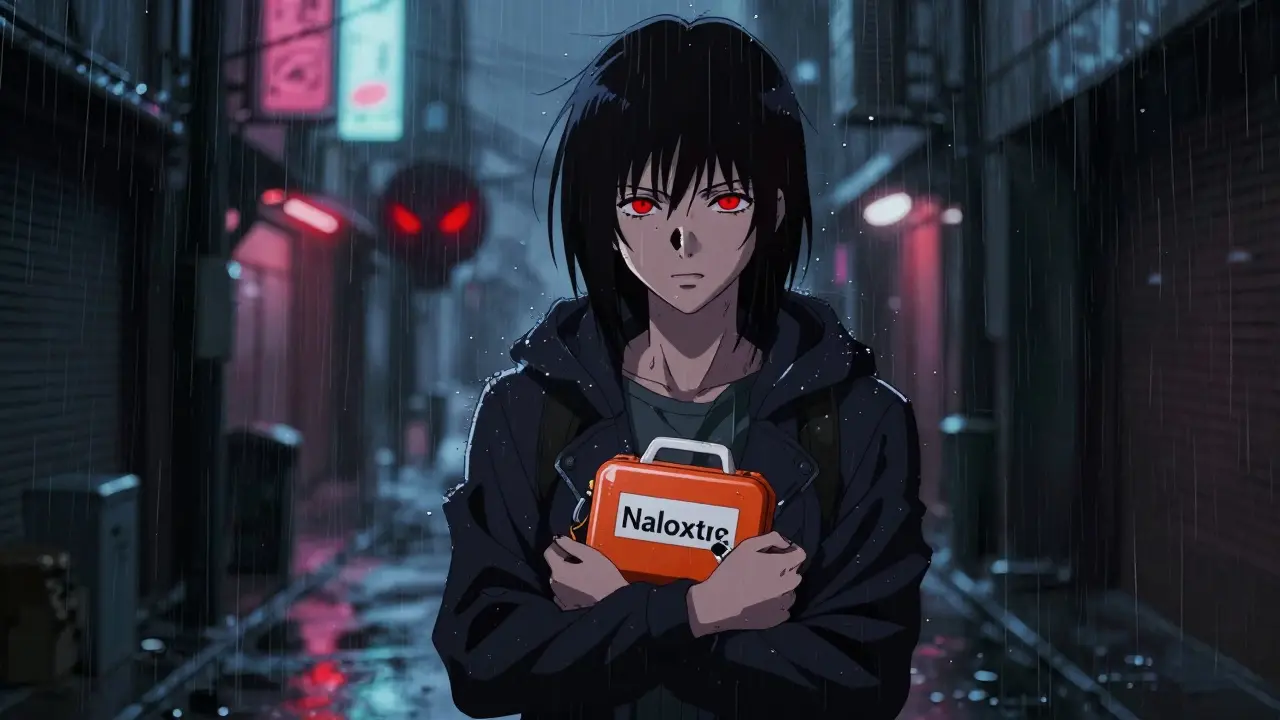
- Carry Naloxone: In 2023, the CDC reported over 107,000 overdose deaths in the U.S. Naloxone (Narcan) reverses opioid overdoses. Having it on hand is the ultimate backup plan for interaction errors.
- Update Your List Monthly: If you use digital checkers, revisit them monthly. New studies and drug formulations emerge constantly. The FDA updated its checker in February 2024 to include data on 47 new fentanyl analogs.
When to Seek Immediate Help
Even with careful checking, accidents happen. Know the signs of an overdose caused by drug interactions. Slowed or stopped breathing, unresponsiveness, pinpoint pupils, and blue or purple lips/fingernails are critical indicators. If you suspect an overdose, call emergency services immediately and administer naloxone if available. Do not wait to see if the person wakes up. Time is the most critical factor in survival.
Remember, checking for drug interactions is not a one-time event. It is an ongoing practice of awareness, honesty, and preparation. By combining digital tools with open communication and harm reduction strategies, you significantly reduce the risk of a preventable tragedy.
Can I check for drug interactions myself without a doctor?
Yes, you can use free online tools like the FDA Drug Interaction Checker or MedlinePlus. However, these tools only cover prescription and over-the-counter medications with known chemical profiles. They cannot detect illicit drugs or street-contaminated substances. For comprehensive safety, combine digital checks with honest conversations with a pharmacist or doctor about all substances you use, including alcohol and recreational drugs.
What are the most dangerous drug combinations?
The most lethal combinations involve CNS depressants. Mixing opioids (like oxycodone or heroin) with benzodiazepines (like Xanax or Valium) or alcohol significantly increases the risk of respiratory failure. According to JAMA Internal Medicine, opioid-benzodiazepine combinations increase overdose mortality risk by 10.3 times. Even mixing opioids with certain antihistamines or muscle relaxants can be fatal.
Why do digital drug checkers miss some interactions?
Digital databases rely on official medication names and verified chemical data. They do not track illicit substances, street drugs, or novel synthetic opioids like fentanyl analogs unless explicitly added by regulators. Additionally, they cannot account for individual factors like tolerance levels, liver function, or genetic variations that affect how your body processes drugs. SAMHSA reports that 63% of dangerous interactions involve substances not captured by standard digital tools.
Does stopping opioids for a few days reset my tolerance?
Yes. Tolerance to opioids decreases rapidly after cessation. Research indicates that within 72 hours of abstinence, your tolerance can drop by 30-50%. If you resume using at your previous dose after this period, you are at high risk of overdose because your body can no longer handle that amount. This is a critical risk factor for people returning from jail, rehab, or simply running out of medication.
How can I talk to my doctor about mixing drugs without being judged?
Doctors and pharmacists are focused on keeping you alive, not judging your choices. Use direct language. Instead of hiding usage, say, "I sometimes take Xanax with my pain meds to sleep." Studies show that when providers ask open-ended questions like "Do you take anything else to relax?" disclosure rates jump by 52%. Being honest allows them to prescribe safer alternatives, provide naloxone, or adjust dosages to prevent fatal interactions.
You might like