How to Dispose of Unused Opioids Safely: A Guide to Prevent Misuse and Overdose

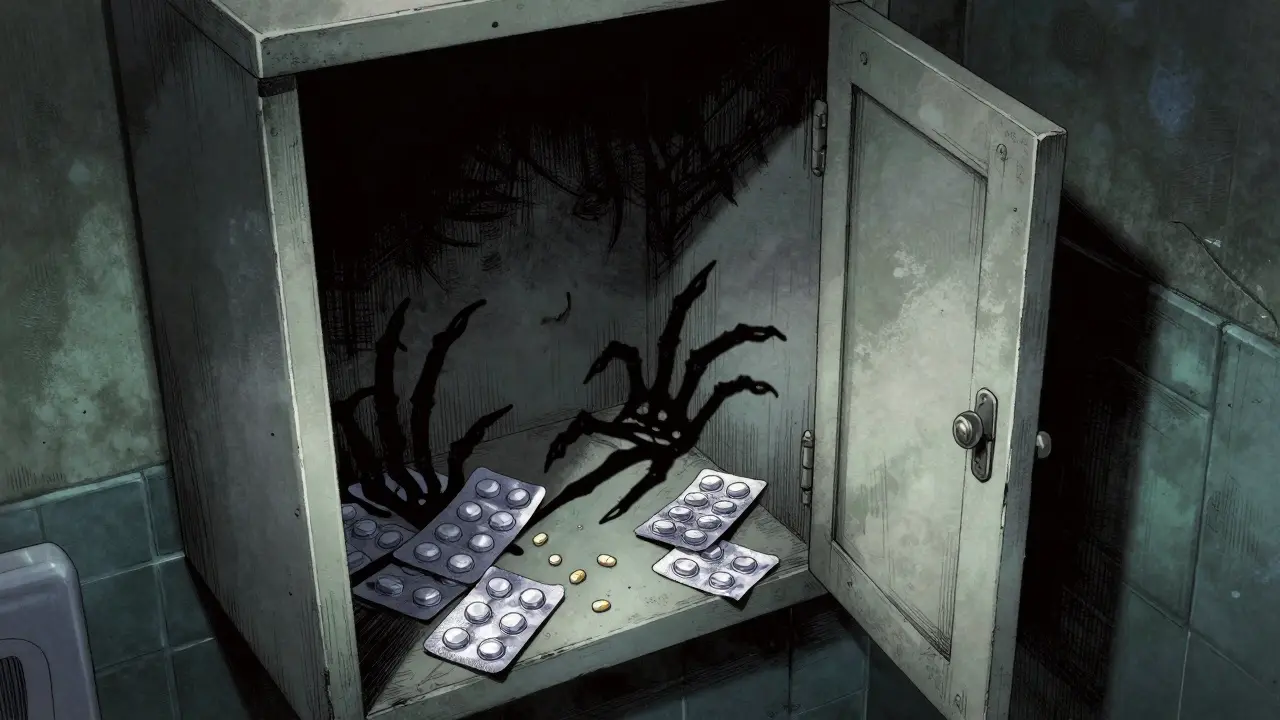
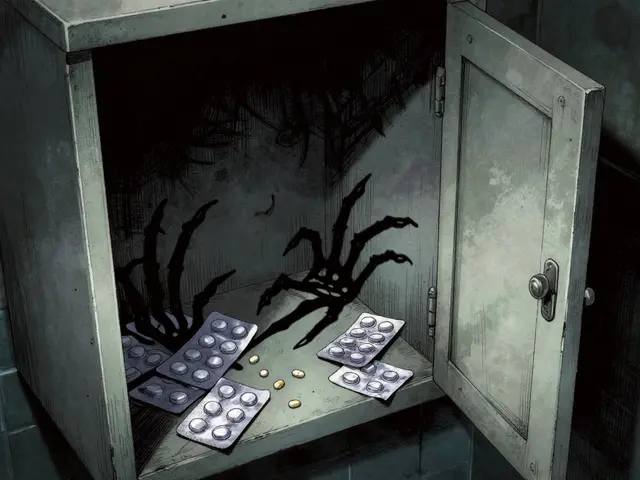
Most people don't think about what happens to their leftover pills after a surgery or an injury heals. But those unused medications sitting in your medicine cabinet are a ticking time bomb. According to the Centers for Disease Control and Prevention (CDC), approximately 70% of misused prescription opioids come from friends or family members' homes. That means the biggest risk factor for someone starting to misuse painkillers isn't a street dealer-it's probably your own bathroom drawer.
In 2021 alone, over 107,000 lives were lost to drug overdoses in the United States. While that number is staggering, a significant portion of these tragedies could be prevented by simply getting rid of drugs you no longer need. The good news? You have several safe, effective ways to dispose of these medications today. Let’s break down exactly how to do it right, so you can protect your family, your community, and even the environment.
The Gold Standard: Drug Take-Back Programs
If you want the safest, most environmentally friendly option, look no further than Drug Take-Back Programs. These programs allow you to drop off unused medications at designated collection sites where they are incinerated at temperatures exceeding 1,800°F. This process destroys 100% of the active ingredients, ensuring the drugs never enter the water supply or fall into the wrong hands.
The Drug Enforcement Administration (DEA) launched the first National Prescription Drug Take Back Day in 2010, and since then, the network has grown massively. As of late 2023, there are nearly 17,000 registered collection sites across the country. These include:
- Pharmacies: Over 12,450 locations, including major chains like Walmart and Walgreens.
- Law Enforcement Facilities: Police stations and sheriff's offices often host drop boxes.
- Hospitals and Clinics: Many healthcare providers now have on-site disposal kiosks.
To find a site near you, use the DEA’s online disposal locator tool. It’s fast, free, and gives you ZIP code-specific results. For many urban residents, this is the easiest path. However, if you live in a rural area, you might face a "medication desert." Data shows that rural counties average only 1.2 collection sites per 100,000 residents, compared to 4.7 in urban areas. If the nearest drop box is more than 25 miles away, you’ll need to consider alternative methods.
Deactivation Pouches: Convenience Meets Safety
What if you can’t get to a drop-off site soon? Enter Deterra Drug Deactivation System and similar deactivation pouches. These aren't just trash bags; they’re engineered safety tools. Inside each biodegradable pouch is activated carbon technology that neutralizes opioids within 30 minutes when combined with warm water.
Here’s why they’re a game-changer:
- Effectiveness: Laboratory testing by the University of Pittsburgh validated that these pouches achieve 99.9% deactivation efficiency.
- Accessibility: They cost between $2.50 and $5.00 per unit and are available at 85% of major pharmacy chains.
- Simplicity: You throw the pills in, add water, seal it up, and toss it in your regular trash.
There is one catch: user error. About 28% of users initially fail to add enough water for complete activation. Make sure you follow the instructions on the package carefully. If you skip the water step, the drugs remain active and dangerous. Despite this learning curve, deactivation pouches offer a middle ground between taking a trip to a police station and flushing your meds down the toilet.
Household Disposal: When No Other Option Exists
If you live far from a take-back site and can’t buy a deactivation pouch, the Food and Drug Administration (FDA) provides specific guidelines for household disposal. This method is less effective than take-back programs-only about 68% effective due to inconsistent user compliance-but it’s better than leaving pills accessible in your home.
Follow these steps precisely:
- Mix: Combine your unused medications with an unpalatable substance like used coffee grounds, cat litter, or dirt. This makes them less appealing if someone tries to fish them out of the trash.
- Contain: Place the mixture in a sealed container, such as a coffee can or a plastic bag tied tightly.
- Hide: Scratch out or black out all personal information on the original prescription label using a permanent marker. You don’t want your name and address exposed in the garbage.
- Discard: Throw the sealed container in your household trash.
A study by the Lake County Indiana Health Department found that following this protocol reduces diversion risk by 82%. It’s not perfect, but it’s a critical safety net for the 14 million Americans living in areas without nearby collection sites.
The Flush List: Rare Exceptions Only
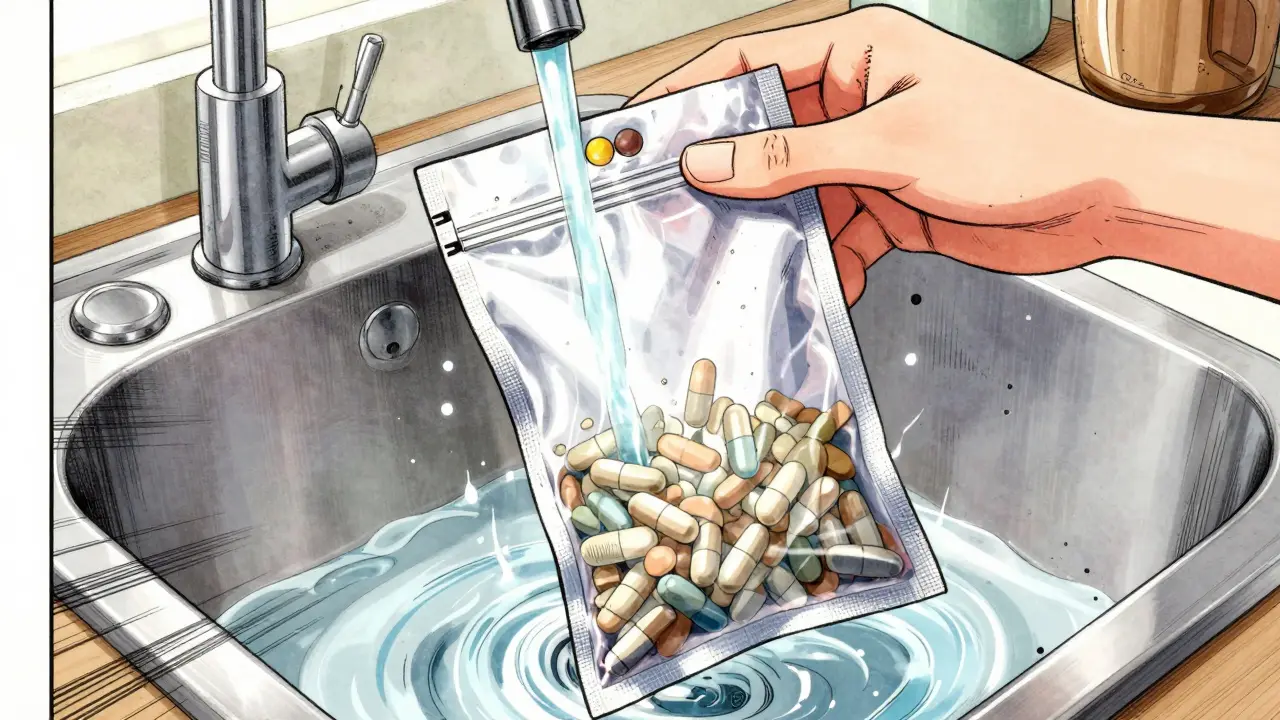
You’ve likely heard mixed messages about flushing medications. Generally, you should avoid it because trace pharmaceuticals pollute our waterways. However, the FDA maintains a specific "Flush List" of 15 high-risk opioid medications that *should* be flushed if no take-back option is immediately available.
This list includes potent drugs like fentanyl patches, oxycodone, and morphine sulfate. Why flush these? Because the immediate risk of accidental ingestion-especially by children or pets-outweighs the environmental impact. The FDA notes that immediate disposal of these high-risk meds prevents 95% of accidental pediatric exposures.
If your medication is not on this specific list, do not flush it. Stick to take-back programs, deactivation pouches, or the household disposal method described above.
| Method | Effectiveness | Environmental Impact | Best For |
|---|---|---|---|
| Take-Back Programs | 98% | None (Incinerated) | Urban/Suburban residents |
| Deactivation Pouches | 95% | Low | Rural areas / Convenience seekers |
| Household Disposal | 68% | Low | Medication deserts |
| Flushing (Listed Drugs Only) | 100% | High | Immediate danger prevention |
Why Proper Disposal Matters Beyond Your Home
Disposing of opioids correctly isn’t just about cleaning out your cabinet. It’s a public health intervention. Dr. Nora Volkow, Director of the National Institute on Drug Abuse (NIDA), has stated that safe disposal could reduce youth initiation of opioid misuse by up to 40%. When you leave unused pills lying around, you inadvertently enable diversion-the illegal transfer of prescription drugs to others.
Consider the data: 59.7% of Americans have unused opioid medications stored in their homes. By properly disposing of yours, you remove a potential source of addiction for a neighbor’s child, a visiting relative, or even a burglar. Communities that implement comprehensive disposal strategies combining all four methods have seen a 37% reduction in opioid diversion incidents.

Common Mistakes to Avoid
Even well-intentioned people make errors when disposing of medications. Here are the most common pitfalls based on user feedback and clinical studies:
- Using Original Containers: Never try to deactivate medications inside their original blister packs or bottles. This compromises childproof features and may confuse waste handlers.
- Insufficient Water in Pouches: As mentioned, Deterra pouches require warm water to activate. Dry pills in a dry pouch are still dangerous.
- Ignoring Privacy: Always scratch out labels before trashing household disposal mixtures. Identity theft via medical records is a real risk.
- Assuming All Opioids Can Be Flushed: Only the 15 drugs on the FDA Flush List should go down the toilet. Everything else stays out of the water system.
Taking Action Today
You don’t need to wait for a crisis to act. Check your medicine cabinet today. If you find expired prescriptions or leftovers from past injuries, plan your disposal strategy. Use the DEA locator to find a drop-off point, pick up a deactivation pouch at your next pharmacy visit, or set aside some coffee grounds for household disposal.
Small actions create big changes. By removing unused opioids from circulation, you’re directly contributing to overdose prevention. It’s simple, it’s safe, and it’s one of the most powerful things you can do for your community’s health.
Can I throw unused opioids in the regular trash?
Yes, but only if you prepare them correctly. Mix the pills with an unpalatable substance like used coffee grounds or cat litter, place them in a sealed container, and scratch out all personal information on the label before discarding. Do not simply throw loose pills in the trash.
Where can I find a drug take-back location near me?
You can use the DEA’s online disposal locator tool to find registered collection sites by ZIP code. Common locations include pharmacies (like Walmart and Walgreens), law enforcement facilities, and hospitals.
What is a Deterra pouch and how does it work?
A Deterra pouch is a patented deactivation system containing activated carbon. You place unused medications in the pouch, add warm water, and seal it. The chemical reaction neutralizes the drugs within 30 minutes, making them safe to dispose of in household trash.
Should I flush my unused opioids down the toilet?
Only if they are on the FDA’s specific Flush List of 15 high-risk medications, such as fentanyl patches or oxycodone. For all other opioids, flushing is discouraged due to environmental concerns. Use take-back programs or deactivation pouches instead.
Why is proper opioid disposal important?
Approximately 70% of misused prescription opioids originate from friends or family homes. Proper disposal prevents diversion, reduces the risk of accidental ingestion by children or pets, and helps lower community-wide rates of opioid misuse and overdose.
You might like