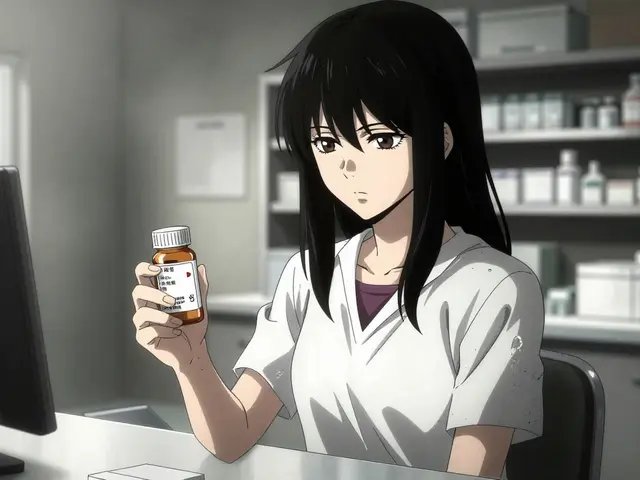
How to Verify Prescriber and Pharmacy Information on Your Medication Label


You pick up a new bottle of pills from the pharmacy. You toss it in your bag and head home. It’s easy to do, but that quick glance could be the difference between staying healthy and ending up in the emergency room. Verify prescriber and pharmacy information on every single label before you leave the counter. It sounds like busywork, but checking these details stops dangerous mistakes before they happen.
We’ve all been there. You’re tired, you have kids waiting in the car, or you just want to get back to work. But taking a moment to look at who prescribed your medicine and which pharmacy filled it is one of the simplest ways to protect yourself. Errors happen. A wrong name, a swapped doctor, or a mix-up in the system can lead to serious health issues. By knowing exactly what to look for, you become the final safety net in your own healthcare.
Why Checking the Label Matters More Than Ever
It might feel like bureaucracy, but verifying your label is actually a critical safety step. According to data from the FDA's Adverse Event Reporting System, medication errors cause over 7,000 deaths and 1.3 million injuries every year. Scary numbers, right? Even scarier is that about 12% of those errors are linked directly to prescription identification issues. That means someone got the wrong drug or took it under the wrong assumptions because the label wasn't checked.
The Institute for Safe Medication Practices (ISMP) has been pushing for better verification since the early 2000s. They found that failing to check the prescriber's name contributes to nearly 9% of all "wrong-drug" errors. Dr. Sarah Thompson, a director at ISMP, noted in a 2023 study that this is one of the top five preventable error categories. When you verify the label, you aren't just being paranoid; you're participating in a proven method that cuts medication error rates by 32%, according to an analysis of millions of records by the FDA.
Think about it this way: if you bought a flight ticket, would you board the plane without checking the destination on your boarding pass? Probably not. Your medication label is your boarding pass for treatment. If the destination (the prescriber) or the airline (the pharmacy) looks wrong, you need to speak up before takeoff.
What Exactly Should Be on Your Label?
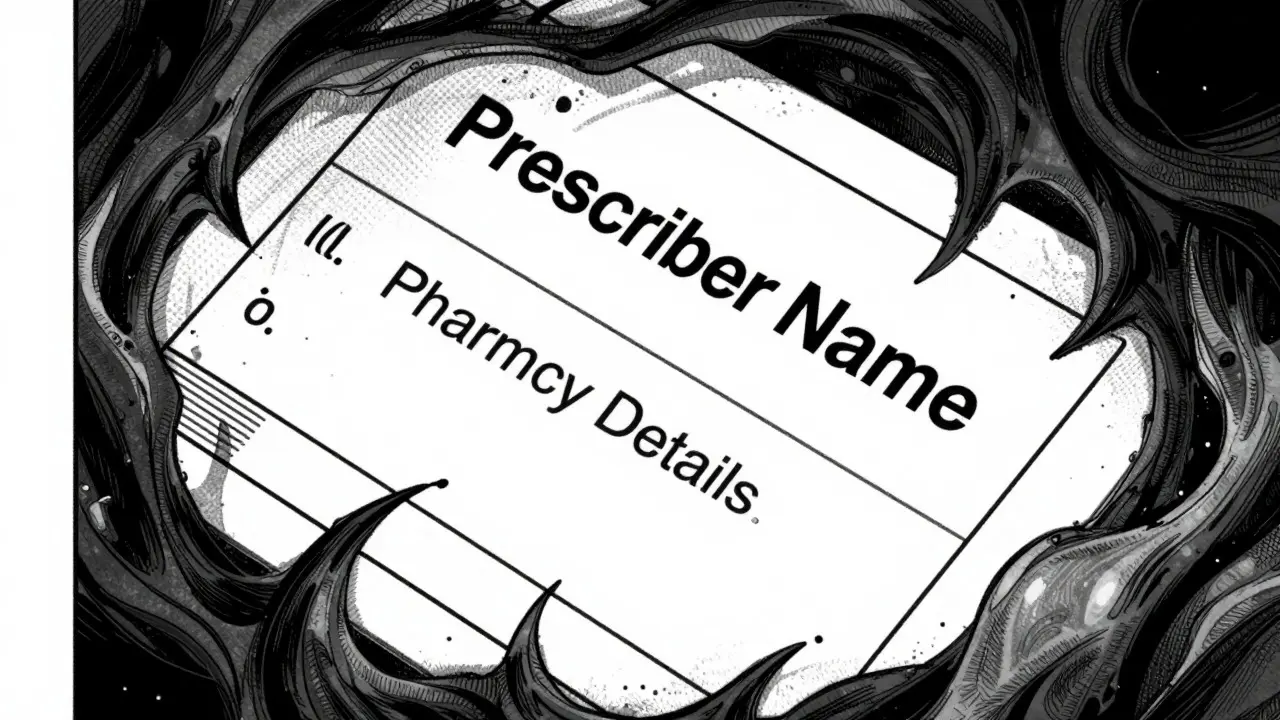
Federal regulations, specifically 21 CFR 1306.22, mandate that certain information must appear on your prescription label. This isn't optional for pharmacies; it's the law. When you hold that bottle, you should see specific details clearly printed. Here is what you need to hunt for:
- Prescriber Name: The full name of the doctor or provider who wrote the script.
- National Provider Identifier (NPI): A unique ID number for the prescriber.
- Pharmacy Details: The legal name, address, and phone number of the pharmacy.
- Prescription Number: A unique code for this specific fill, needed for refills and questions.
- Pharmacist Name: Required in 42 states, this tells you who actually reviewed and dispensed your meds.
If any of these are missing, ask the pharmacist to reprint the label immediately. Don't assume it's fine because the pills look right. The label is your contract with the pharmacy regarding what you are supposed to take.
| Element | Why It Matters | Common Error Type |
|---|---|---|
| Prescriber Name | Confirms the correct doctor ordered the med | Misspellings or wrong specialist listed |
| Pharmacy Phone Number | Allows direct contact for urgent questions | Outdated or disconnected numbers | r>
| Prescription Number | Links the physical bottle to your digital record | Transposed digits leading to refill errors |
| Pharmacist Name | Identifies the professional responsible for dispensing | Omitted due to state regulation gaps |
Step-by-Step: How to Verify Before You Leave
You don’t need a degree in pharmacology to do this. The American Pharmacists Association suggests spending just 30 to 60 seconds on each label. Here is how to make that time count.
- Check the Prescriber First. Look at the name. Does it match the doctor you saw? If you went to Dr. Smith for a heart issue, but the label says Dr. Jones (a dentist), stop. This was a real case reported by the FDA where a patient received a controlled substance labeled under a primary care physician instead of their dentist, creating a dangerous confusion. Even small misspellings matter. In user surveys, 42% of caught errors involved simple typos in the doctor's name.
- Verify the Pharmacy Contact Info. Look at the phone number. Is it the pharmacy you walked into? If you use a mail-order service, does the address match their headquarters? Knowing the number is crucial. Express Scripts advises patients to "know if you'll be able to reach a live pharmacist after hours." If you have a reaction at 8 PM, you need a working number.
- Cross-Reference the Prescription Number. If you have a personal medication record (PMR) or an app, check that the number matches your history. This helps catch cases where the pharmacy accidentally fills a different patient's script or an old one.
- Look for the Pharmacist's Signature or Name. In many states, this is required. It adds a layer of accountability. If it's missing and your state requires it, ask for clarification.
This process takes less than a minute. But as Dr. Michael Chen from the American Medical Association warns, relying *only* on the label without thinking critically can create false confidence. He notes that 14% of labels that look "correct" still contain clinical errors invisible to patients. So, while you check the names, also listen to the pharmacist's counseling. Ask, "Is this the same drug my doctor discussed?"
Digital Apps vs. Physical Labels: Which is Safer?
Many of us rely on smartphone apps from chains like CVS or Walgreens to track our meds. It’s convenient. But is it safer? A 2023 study in the *Journal of the American Pharmacists Association* compared mobile app verification against physical label checks. The results were surprising. Mobile apps had a 7.2% error rate, while physical label verification only had a 2.1% error rate.
Why the gap? Apps can glitch, sync incorrectly, or display outdated info. Physical labels provide immediate visual confirmation without needing Wi-Fi or battery power. Plus, vision impairment affects about 37% of patients over 65, making small text on phones even harder to read than large print on bottles. Many pharmacies offer free magnifying tools-don’t be shy to ask for one.
However, technology is evolving. The FDA launched a pilot program in May 2024 testing QR codes on labels that link to digital verification tools. Early results showed a 19% improvement in accuracy among users. Until that becomes standard, though, your eyes on the paper label remain the gold standard.

Common Pitfalls and How to Avoid Them
Even careful people slip up. Here are the most common traps based on real-world data:
- Electronic Prescription Glitches: About 18% of verification failures come from e-prescriptions where the prescriber's info auto-populates incorrectly. If the name looks odd, call the doctor's office to confirm.
- Specialty Pharmacy Confusion: If you get complex meds from a specialty pharmacy, error rates are 23% higher than community pharmacies. These labels often have more technical jargon. Take extra time here.
- Assuming Chain Consistency: Just because you trust a big chain doesn't mean every location is perfect. Independent pharmacies actually scored higher (4.2/5) for label clarity in Consumer Reports' 2023 survey compared to large chains (3.7/5). Always check, regardless of the brand.
If you spot an error, don't just put it in your bag. Politely tell the pharmacist, "I think there might be a mistake here." Most pharmacists will appreciate the catch. It saves them liability and keeps you safe. Remember, catching an error is part of the job description for *you* as the patient.
Building a Personal Safety Routine
Making verification a habit is key. The CDC reports that only 62% of U.S. adults consistently verify prescriber info. You can be part of the majority that stays vigilant. Start by keeping a Personal Medication Record (PMR). Whether it's a notebook or a digital tool (73% of major chains now offer these via apps), having a baseline makes spotting discrepancies easier.
Also, consider the timing. The FDA recommends checking at three points: when you receive the med, before the first dose, and when you refill. Each refill is a new opportunity for a mix-up. Don't skip the check just because it's the "same old thing."
Finally, educate your household. If you manage meds for aging parents or children, teach them this routine too. The Joint Commission includes label verification in their National Patient Safety Goals for a reason. It works. By taking these few seconds, you reduce your risk of medication errors by nearly a third and boost your adherence to treatment plans by 31%, according to PatientPoint's 2023 survey.
What should I do if the prescriber's name is misspelled?
Don't ignore it. While minor typos happen, 42% of reported label errors involve prescriber name misspellings. Ask the pharmacist to reprint the label with the correct spelling. This ensures that if you ever need to show the bottle to another doctor or hospital staff, there is no confusion about who authorized the medication.
Is it necessary to check the pharmacy phone number?
Yes. The phone number is your lifeline for urgent questions. Express Scripts emphasizes knowing if you can reach a live pharmacist after hours. If the number is outdated or disconnected, you might struggle to get help during a side effect crisis. Verify it connects before you leave the store.
Are digital pharmacy apps reliable for verification?
They are convenient but less reliable than physical labels. A 2023 study found mobile apps had a 7.2% error rate compared to 2.1% for physical labels. Use apps as a backup reference, but always prioritize the printed label on the bottle for final verification.
Why is the pharmacist's name important on the label?
In 42 U.S. states, listing the dispensing pharmacist is required by law. It identifies the licensed professional who reviewed your prescription. If you have a question or concern later, knowing who handled your specific fill can help streamline communication with the pharmacy team.
How long should I spend verifying my medication label?
The American Pharmacists Association recommends 30 to 60 seconds per label. Focus on the prescriber name, pharmacy contact info, and prescription number. This brief check can prevent errors that account for 12% of all prescription-related injuries and deaths annually.
You might like