
Cough and Cold Medicine Safety for All Ages: What Actually Works and What to Avoid

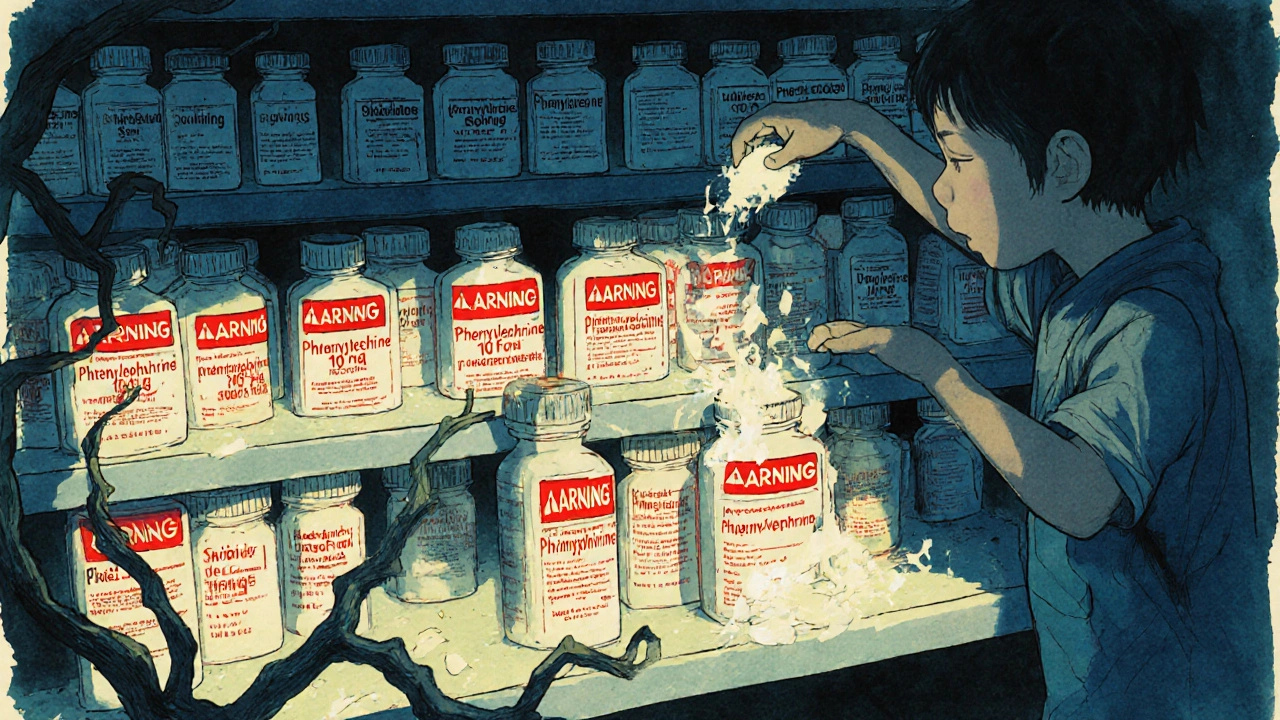
Every winter, millions of people reach for the same shelf-stocked bottles: DayQuil, NyQuil, Sudafed PE, Robitussin. They expect relief. But what if those pills and syrups aren’t doing what they claim? And worse - what if they’re putting your kids or yourself at risk?
Why Your OTC Cold Medicine Might Be Wasting Your Money
In 2023, the FDA’s advisory panel made a shocking call: oral phenylephrine, the decongestant in nearly every cold medicine sold in the U.S. and New Zealand, doesn’t work. Not at the doses you’re taking. Not even close.
That’s right - the 10mg dose in your Sudafed PE or DayQuil has been proven ineffective in multiple studies. A 2007 meta-analysis found it did nothing to reduce nasal congestion compared to a sugar pill. Even at higher doses (25mg), which aren’t sold over the counter, the improvement was barely noticeable. And patients didn’t feel any better.
So why is it still everywhere? Because it’s cheap to make, easy to label, and regulators didn’t act until now. The FDA is moving to remove it from the list of approved OTC ingredients. By late 2025, manufacturers will have to reformulate or pull products off shelves. But until then, you’re still buying medicine that doesn’t work - and paying full price for it.
The Ingredients You’re Actually Taking (And Why They Might Be Risky)
Most OTC cold and cough products mix several ingredients. Here’s what’s in them - and what science says about each:
- Phenylephrine (10mg): The decongestant everyone thinks works. It doesn’t. And while it’s not dangerous at normal doses, it gives a false sense of security.
- Dextromethorphan (15-30mg): A cough suppressant. Studies show mixed results. It may help a little in adults, but not in children. At high doses, it can cause dizziness, nausea, or even hallucinations.
- Guaifenesin (200-400mg): An expectorant meant to thin mucus. A 2014 review of 29 trials found no strong evidence it helps coughs clear faster. It might make you feel like you’re doing something, but it won’t shorten your illness.
- Pseudoephedrine (30-60mg): This one actually works. But it’s kept behind the pharmacy counter because it’s used to make methamphetamine. You need ID to buy it. If you’ve ever bought Sudafed and felt a real difference in your nose, it’s probably this ingredient.
- Antihistamines (like diphenhydramine): These are meant for runny noses and sneezing. But they don’t help with coughs. And they make you sleepy - which might be the only reason some people feel better.
Here’s the real danger: most cold medicines combine these ingredients. So you might take one for your cough, another for your congestion, and a third for your fever - all without realizing you’re doubling up on dextromethorphan or phenylephrine. That’s how accidental overdoses happen.
Children and OTC Cold Medicine: A Dangerous Mix
If you have kids under 6, stop giving them OTC cough and cold medicine. Not because they’re toxic - though they can be - but because they don’t work.
The American Academy of Pediatrics has said this since 2008. A 2007 review found no evidence these medicines helped children recover faster. Worse, between 2000 and 2007, 20 children in the U.S. died after accidentally overdosing on these products. Thirteen were under two years old.
Parents are starting to listen. A 2023 survey found 73% of parents have stopped giving OTC cold medicine to kids under 6. And they’re not alone. The Mayo Clinic, UCSF, and the FDA all agree: these drugs are unnecessary and risky for young children.
Instead of syrup, try these proven, safe methods:
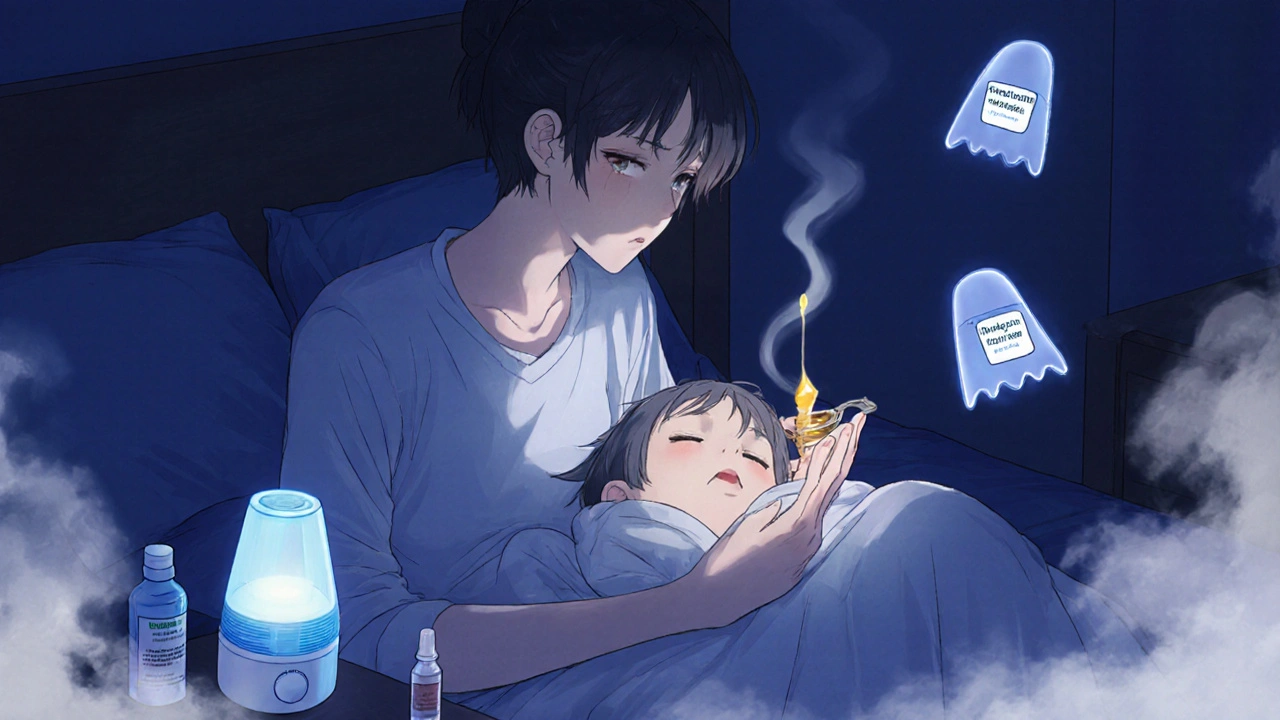
- Saline nose drops and a bulb syringe to clear mucus
- A cool-mist humidifier in the bedroom
- Extra fluids - water, broth, or even ice pops
- Honey (for kids over 12 months): 2.5mL (half a teaspoon) before bed has been shown in clinical trials to reduce nighttime coughing as well as some OTC syrups - and without side effects.
And no, don’t give honey to babies under 12 months. It can cause infant botulism - a rare but life-threatening condition.
What Actually Works for Adults?
If you’re an adult with a cold, you’re better off skipping the medicine cabinet entirely - or choosing smarter options.
For congestion: Use a nasal spray with oxymetazoline (like Afrin) for up to three days. It works fast and directly where you need it. Oral phenylephrine? Forget it. Pseudoephedrine (behind the counter) works too - if you’re okay with showing ID.
For cough: Honey is your best bet. A 2023 study from the American Medical Association found honey worked just as well as dextromethorphan for nighttime coughs. And it’s cheaper, safer, and tastes better.
For sore throat: Saltwater gargles. Warm tea with lemon. Throat lozenges with menthol - not cough syrup.
For fever or body aches: Acetaminophen or ibuprofen. Not multi-symptom cold formulas. Just the pain reliever.
The bottom line? Your body fights colds on its own. Medicine doesn’t cure them. It only tries to make you feel less awful while you wait. And most OTC products aren’t even good at that.
How to Read a Drug Facts Label (And Avoid Overdosing)
If you do take OTC medicine, read the label like your life depends on it - because it might.
Every bottle has a “Drug Facts” panel. Look for these three things:
- Active ingredients: List every one. If two products have the same one (like dextromethorphan), don’t take them together.
- Uses: What symptoms does it treat? If you only have a cough, don’t take a product with decongestants or antihistamines.
- Warnings: Check for interactions. Don’t mix with antidepressants, MAOIs, or alcohol. That’s when things get dangerous.
Also: Never give adult medicine to a child. Even half a tablet can be too much.
What’s Coming Next? The Market Is Changing
The OTC cold medicine market was worth $6.2 billion in 2023. But that’s about to shrink.
Once phenylephrine is removed (likely by late 2025), sales could drop 15-20%. People are already switching. Amazon reviews for phenylephrine products have dropped from 4.1 stars in 2020 to 3.2 stars in 2023. Reddit users call it “snake oil.” Parents are choosing honey. Pharmacies are stocking more saline sprays.
By 2026, sales of honey-based remedies and saline nasal products are expected to grow 12.7% a year. The future of cold care isn’t in a bottle you grab off the shelf - it’s in your kitchen, your humidifier, and your patience.
Final Advice: Less Medicine, More Common Sense
You don’t need a pharmacy full of bottles to get through a cold. Most colds last 7-10 days. No medicine changes that.
For adults: Stick to honey, saline sprays, fluids, and rest. Skip the multi-symptom formulas. If you need a decongestant, go for pseudoephedrine behind the counter - it’s the only oral one that works.
For kids under 6: Skip the medicine entirely. Use saline drops, suction, humidifiers, and honey (if over 12 months).
For everyone: Don’t mix products. Read labels. And remember - if you’re feeling worse after taking OTC medicine, it’s not your cold getting worse. It’s the medicine doing something it shouldn’t.
Your body knows how to heal. You just need to let it - without the noise of marketing claims and outdated science.
You might like
Bonnie Youn
Finally someone says it loud and clear. I’ve been telling my mom for years that DayQuil is just sugar water with a fancy label. She still buys it because it ‘makes her feel better’ but honestly? It’s the placebo and the nap afterward that help. Honey for cough? Yes. Saline for kids? Absolutely. Stop wasting money on snake oil.
Edward Hyde
Phenylephrine is the pharmaceutical equivalent of a TikTok detox tea. They knew it didn’t work since 2007 and still sold it like it was liquid gold. Big Pharma’s greatest scam since ‘drink this powder to cure your hangover’. I’m not mad, I’m just disappointed. And also, why is pseudoephedrine behind the counter like it’s contraband? It’s not a meth lab in my pantry, it’s a runny nose.
Charlotte Collins
The data is clear. The FDA’s delay was political, not scientific. The 10mg dose of phenylephrine has zero pharmacological effect on nasal vasculature. Multiple double-blind RCTs confirm this. The continued presence on shelves reflects regulatory capture and corporate lobbying, not medical necessity. Consumers are being systematically misled under the guise of ‘choice’. This isn’t consumer protection-it’s commodified ignorance.
Margaret Stearns
i just wanted to say thank you for this post. i have a 4 year old and i stopped giving her cold medicine last winter after reading this. she got better faster with honey and steam. no more bottles in the cabinet. just a humidifier and lots of cuddles. you saved me a lot of stress.
amit kuamr
in india we dont have this problem. we use ginger tea and tulsi. no need for fancy pills. american medicine is overcomplicated. if you dont know how to use honey you deserve to be sick
Scotia Corley
While the sentiment is commendable, it is imperative to recognize that the removal of phenylephrine from OTC formulations may inadvertently disadvantage elderly patients with comorbidities who require non-stimulant decongestants. The transition must be managed with clinical nuance, not ideological fervor. Evidence-based medicine does not equate to populist sentiment.
elizabeth muzichuk
They’re hiding something. Why did the FDA wait until 2025? Because they’re working with the pharmaceutical giants to phase out the old drugs slowly so they can launch their new ‘proprietary’ formulas with the same ingredients but a different name. Honey? That’s a plant. They can’t patent it. That’s why they’re pushing this narrative. Wake up.
Debbie Naquin
Phenylephrine’s pharmacokinetics are fundamentally incompatible with oral bioavailability. The first-pass metabolism in the liver reduces plasma concentration to subtherapeutic levels. The placebo effect in OTC meds is not incidental-it’s structural. We’ve outsourced our physiological agency to corporate pharmacology. The body doesn’t need fixing. It needs space. Honey isn’t a remedy-it’s a return to embodied care.
Karandeep Singh
honey is for babies. you dumb. dont give honey to kids
Mary Ngo
Did you know that the FDA’s delay in banning phenylephrine coincides with the rise of private equity firms buying up OTC drug manufacturers? This isn’t about science. It’s about asset liquidation. The ‘new’ formulas coming in 2025? They’ll be branded as ‘clinically enhanced’-but they’ll contain the same inert ingredients, just repackaged. You’re being played. The real cure? Stop trusting institutions. Trust your gut. And your grandmother’s chicken soup.
James Allen
Man, I used to take all that stuff. Now I just drink hot tea, sleep 10 hours, and let my body do its thing. I don’t need some corporate syrup to tell me I’m sick. America’s obsession with fixing everything with a pill? It’s pathetic. We used to be tougher. We should be tougher again. No medicine. Just rest. And maybe a little honey. That’s real American resilience.