
How to Keep Travel Medications Within Shelf Life on Long Trips


When you're on a long trip-whether it's a month-long hike through the Andes or a family vacation across Southeast Asia-your medications need to work just as well as they do at home. But heat, humidity, and rough handling can turn your prescription into something useless-or even dangerous. A study in the Journal of Pharmaceutical Sciences found that just 30 minutes outside the right temperature range can cut the effectiveness of some medications by up to 25%. And it’s not just insulin or EpiPens. Even common pills like aspirin can break down into irritating compounds if left in a hot car. The goal isn’t just to avoid waste-it’s to stay safe.
Know Your Medication’s Temperature Needs
Not all meds are created equal when it comes to heat and cold. About 78% of medications, including things like blood pressure pills, antibiotics, and pain relievers, are fine at room temperature: between 68°F and 77°F (20°C to 25°C). Brief excursions up to 86°F (30°C) are usually okay for short periods, like a day in a suitcase. But if you’re flying to a place where it’s 100°F outside, that’s a problem. Then there’s the 12% that need refrigeration. This includes insulin, certain biologics like adalimumab, EpiPens, and some antibiotics. These can lose potency fast. One study showed that Humalog insulin loses 1.2% of its strength every hour at 77°F. After 12 hours in a hot car, it could be 15% weaker. That’s not just inconvenient-it’s risky for someone with diabetes. A small group-about 5%-needs freezing. These are rare, usually specialty drugs for rare diseases. If you’re on one, your pharmacy will tell you. Don’t guess.Light and Moisture Are Silent Killers
It’s not just temperature. Light and moisture can wreck meds too. Epinephrine, for example, breaks down under direct sunlight. Just 15 minutes of exposure can drop its concentration by 18%. That’s why your EpiPen comes in a dark plastic case. Never leave it on a sunny windowsill or in a clear zip-top bag on the beach. Bathrooms are the worst place to store meds-even at home. Humidity from showers causes pills to swell, crumble, or degrade. On a trip, that means no storing your inhaler or thyroid pills in the hotel bathroom. Keep them in your luggage, in a dry, cool spot. A sealed plastic container with a silica gel packet helps. You can buy those online or even reuse the little packets that come in new shoeboxes.Choose the Right Cooling Tool
If you need to keep meds cold, don’t rely on a regular cooler or ice packs. Ice packs can freeze your meds, which is just as bad as overheating them. Some insulin brands, for example, can become clumpy and unusable if frozen. Instead, use medical-grade cooling wallets like Frio or Bocapharmacy’s models. These use evaporative cooling with water-activated gel packs. They keep meds between 36°F and 46°F for 48 to 72 hours-even in 100°F heat. One traveler on Reddit kept insulin stable for 14 days across Thailand using a Frio wallet, with temps staying between 38°F and 42°F. Standard insulated bags? They last maybe 12 to 24 hours. Not enough for long flights or multi-day road trips. Gel packs outperform ice by 37% in temperature consistency, according to TSA’s 2022 assessment. Always test your cooler before you leave. Fill it with water, activate the gel, and leave it in a hot room for a few hours. Check the temp with a cheap digital thermometer.Travel Smart: Packing and Airline Rules
Never pack meds in checked luggage. Bags get tossed, exposed to extreme cold in cargo holds, or lost. Always carry them in your carry-on. Keep everything in original bottles with prescription labels. In 2022, a traveler in Thailand had their meds confiscated because they were in a pill organizer. Thai customs requires original packaging. Same rule applies in many countries-even if you’re just passing through. TSA now requires you to declare medications at security. Bring printed storage instructions from your pharmacist. If you’re carrying insulin or biologics, have a doctor’s note ready. IATA updated its rules in January 2024: all refrigerated meds need documentation. Don’t wait until you’re at the gate to find out.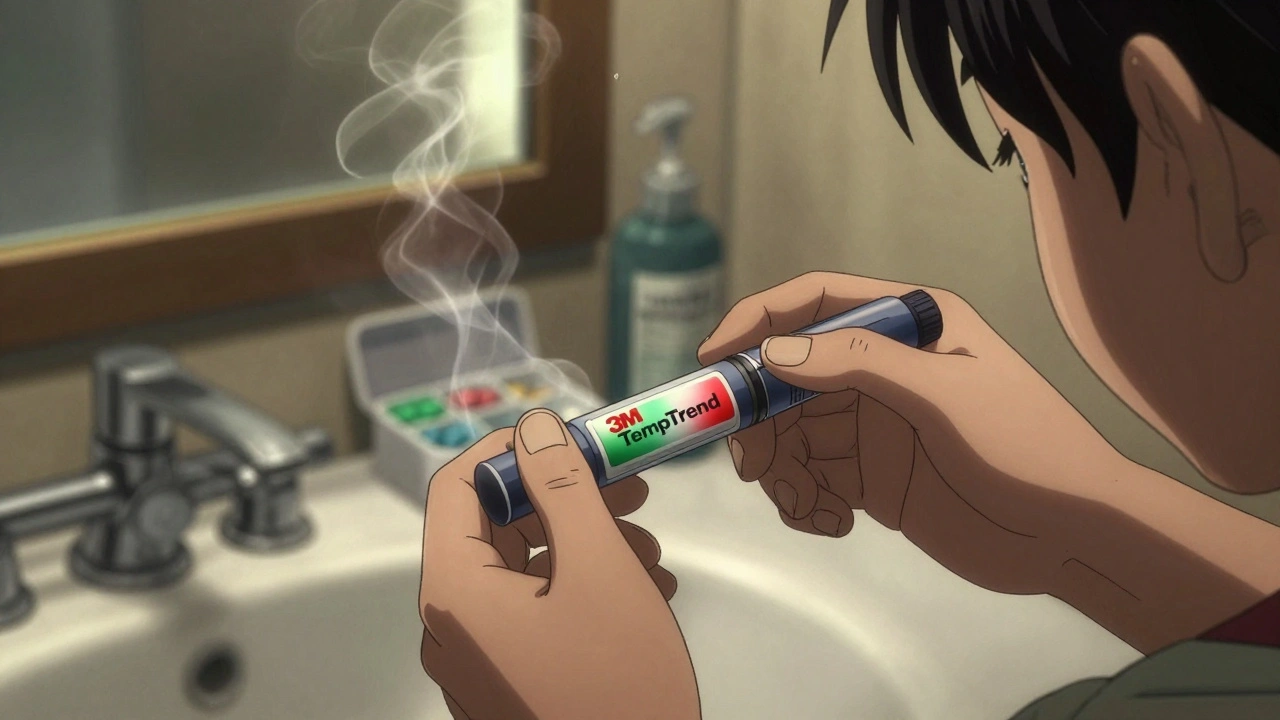
Use Tech to Stay Safe
A $20 temperature sensor can save your trip. Devices like TempTraq or similar medical-grade loggers attach to your medication bag and record temps over time. A 2022 study showed they catch 98.7% of excursions. You can download the data after your trip to see if your meds were exposed to dangerous heat. Even better: new FDA-approved labels are rolling out. 3M’s TempTrend labels change color if temps go too high or too low. You don’t need a phone or app-just look at the label. If it turns red, your med might be compromised. These are already on some insulin pens and will be standard on more meds by 2026.Plan Ahead-Start 2 to 3 Weeks Out
Don’t wait until the night before you leave. Start planning 14 to 21 days ahead. Talk to your pharmacist. Ask:- How long can this med stay out of the fridge?
- Is there a travel-friendly version? Some insulin now comes in stable pens that last 28 days at room temp.
- Do I need a backup? If you’re on a life-saving med, carry an extra dose in a separate cooler.
What to Do If Your Meds Get Too Hot
If you realize your insulin was left in a hot car for hours, or your EpiPen was in direct sun, don’t panic-but don’t use it either. Call your pharmacy. Some pharmacies offer free potency testing for patients. CVS and Walgreens have done this for travelers in the past. If you’re overseas and can’t get help, err on the side of caution. If it’s a life-critical med, try to find a local pharmacy with refrigeration and ask for a replacement. Carry a list of your meds with generic names and dosages. Google Translate can help if you don’t speak the language.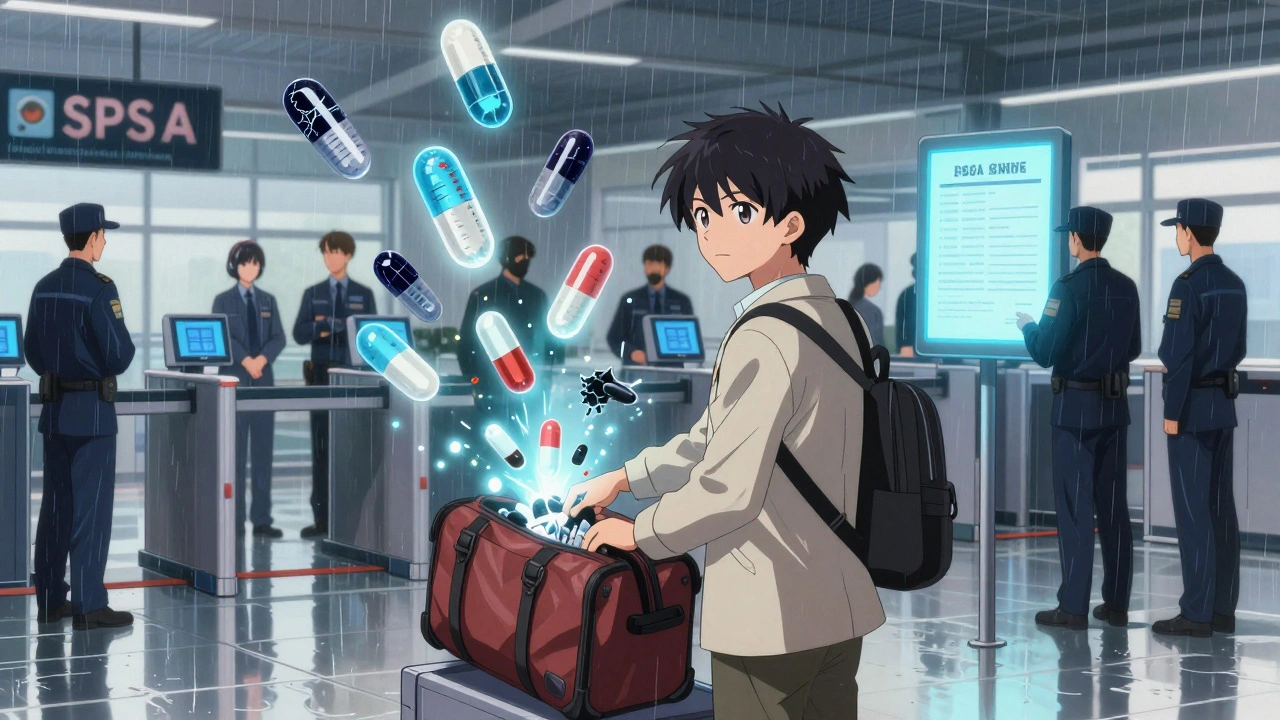
Real Stories, Real Risks
One traveler on GoodRx shared that her EpiPen lost 40% potency after being left in a car at 102°F for 90 minutes. She didn’t know until she tested it afterward. She had to get a new one-and she was lucky she didn’t need it during a reaction. Another family traveling with a child on a biologic medication used phone alarms to remind themselves to check the cooler every 6 hours. They said 92% of missed doses were avoided just by setting reminders. Simple, but effective. The data doesn’t lie: 67% of medication failures on trips come from bad temperature control. Only 22% are from missed doses. That means the biggest threat isn’t forgetting your pills-it’s letting them get too hot or too cold.What’s Changing in 2025 and Beyond
The industry is catching up. By 2026, 85% of temperature-sensitive medications are expected to have travel-stable formulations-meaning they won’t need coolers at all. But right now, that’s still the exception, not the rule. The global cold chain market for meds is growing fast-projected to hit $32 billion by 2028. That means better tech, more options, and lower prices. But until then, you still need to be your own pharmacist on the road.Final Checklist for Your Trip
- ☑️ Call your pharmacist 2-3 weeks before you leave
- ☑️ Confirm each med’s temp range and how long it’s safe outside refrigeration
- ☑️ Pack meds in carry-on, in original containers
- ☑️ Bring printed storage instructions and doctor’s note if needed
- ☑️ Use a medical-grade cooler (Frio, Bocapharmacy, etc.) for refrigerated meds
- ☑️ Avoid bathrooms, direct sunlight, and hot cars
- ☑️ Carry a backup dose of critical meds
- ☑️ Use a temperature logger or color-changing label
- ☑️ Set phone alarms to check your meds every 6-8 hours
Traveling with meds isn’t about being paranoid. It’s about being prepared. Your health doesn’t take a vacation-and neither should your meds.
Can I leave my insulin in a hot car for a few hours?
No. Insulin starts losing potency within hours at temperatures above 86°F (30°C). Even 90 minutes in a hot car can reduce its effectiveness by 15-25%. Always carry it with you in a cooler. If you accidentally leave it in the heat, don’t use it-get a replacement as soon as possible.
Is it safe to put medications in a regular cooler with ice?
Not for most meds. Ice can freeze them, which damages the structure of insulin, biologics, and some antibiotics. Use gel packs designed for pharmaceuticals instead. They stay within the safe 36°F-46°F range without freezing. Regular ice packs are unreliable and can drop below freezing.
Do I need to keep all my pills in the original bottles?
Yes. Many countries require original packaging with prescription labels for customs. Even in the U.S., TSA and airlines recommend it. Pill organizers are fine for daily use, but always carry the original bottles as backup. A traveler in Thailand had their meds confiscated because they were in a plastic container without labels.
What if I’m flying internationally with refrigerated meds?
You must declare them at security. Bring printed storage instructions and a doctor’s note. IATA’s 2024 rules require documentation for all refrigerated medications. Pack your cooler in your carry-on and be ready to explain what’s inside. Some airlines allow you to store meds in their onboard fridge-ask ahead.
Can I buy temperature-indicating labels for my meds?
Yes. 3M’s TempTrend labels are now available on some insulin pens and biologics. They change color if the med is exposed to unsafe temps. You can also buy standalone versions online. They’re not on every med yet, but they’re becoming more common. If your pharmacy doesn’t offer them, ask if they’re coming soon.
How do I know if my medication has gone bad?
Look for changes in color, texture, or smell. Insulin may become cloudy or clumpy. Pills may crack, stick together, or smell odd. If you’re unsure, don’t use it. Some pharmacies offer free potency testing. When in doubt, replace it. Your health isn’t worth the risk.
You might like

Lydia Zhang
Just throw em in a ziplock and call it a day. If it breaks down, you weren't meant to take it anyway.
Kay Lam
I used to think I could just pack my insulin in my carry-on and forget about it until I got to Thailand and realized my pen was warm to the touch after a 12-hour layover in Dubai and I spent the next three days walking around with a cooler bag I bought at a 7-Eleven because I didn't know about Frio wallets and now I always carry two extra pens and a digital thermometer and I don't even trust hotel mini-fridges anymore even if they say they're for meds because I once saw a nurse in a hospital in Hanoi use a plastic bag with ice cubes to cool a vial and I thought that was horrifying but also kind of brilliant
Irving Steinberg
Bro if you're leaving your EpiPen in a hot car you deserve to die 😅
Just buy a Frio. $30. Life saver. I've used mine across 5 countries. No drama. You're welcome.
Jack Arscott
Just wanted to add that silica gel packets from shoeboxes actually work way better than people think. I keep a little ziplock with 3 of them in my med kit. Also, if you're flying, TSA doesn't care if you put your meds in a pill organizer as long as you have the original bottles with you. I've done it 12 times.
Eric Vlach
For anyone heading to Southeast Asia, I can't stress enough how important it is to know your local pharmacy chains. In Vietnam, Pharmacity has refrigerated storage for insulin and they'll often replace expired meds for free if you show your prescription. In Indonesia, Guardian Pharmacy does the same. Google Translate is your friend. Print out the generic names and dosages. I once saved a friend's life by finding a local pharmacy that had the same biologic he was on because he forgot his cooler. Just don't panic. Be prepared.
Priyam Tomar
Everyone's acting like this is some groundbreaking advice. The fact that people need a 2000-word guide to not leave medicine in a car is embarrassing. You don't need a Frio wallet. You don't need a temperature logger. You just need to use common sense. If it's hot, don't leave it there. If it's wet, don't put it in the bathroom. If you're dumb enough to need this post, maybe you shouldn't be traveling alone.
Matt Dean
Wow this is the most useful thing I've read all year. I'm telling my entire family. My mom's on 12 meds and she's been storing them in the glovebox. She's lucky she's still alive. Also, the TempTrend labels? Genius. I'm ordering 20 of them for my entire pill organizer. This is next-level prep.
Walker Alvey
So we're now paying $20 for a sensor to tell us what we've known since kindergarten: don't leave medicine in the sun? What's next? A $50 app that warns you not to drink bleach? This is capitalism turning basic human responsibility into a product. I'm selling my Frio and buying a paperclip. It's just as effective.
Adrian Barnes
The author's tone is dangerously complacent. This is not about "being prepared." This is about systemic failure. The pharmaceutical industry has spent decades designing medications that require cold chains, then outsourced the burden of compliance onto patients. The fact that you need a doctor's note, printed documentation, and a $75 cooling wallet to carry your own life-saving medication is a moral indictment of modern healthcare. This is not travel advice. This is survival documentation for a broken system.
Souvik Datta
Actually, this reminds me of my grandfather in Kerala who used to carry his heart medicine in a clay pot filled with wet sand during monsoon season. The earth kept it cool, dry, and stable for days. No tech, no plastic, no Frio-just wisdom passed down. We think we need gadgets, but sometimes the oldest solutions are the most reliable. Try a small ceramic container wrapped in a damp cloth. It works. And it’s free.