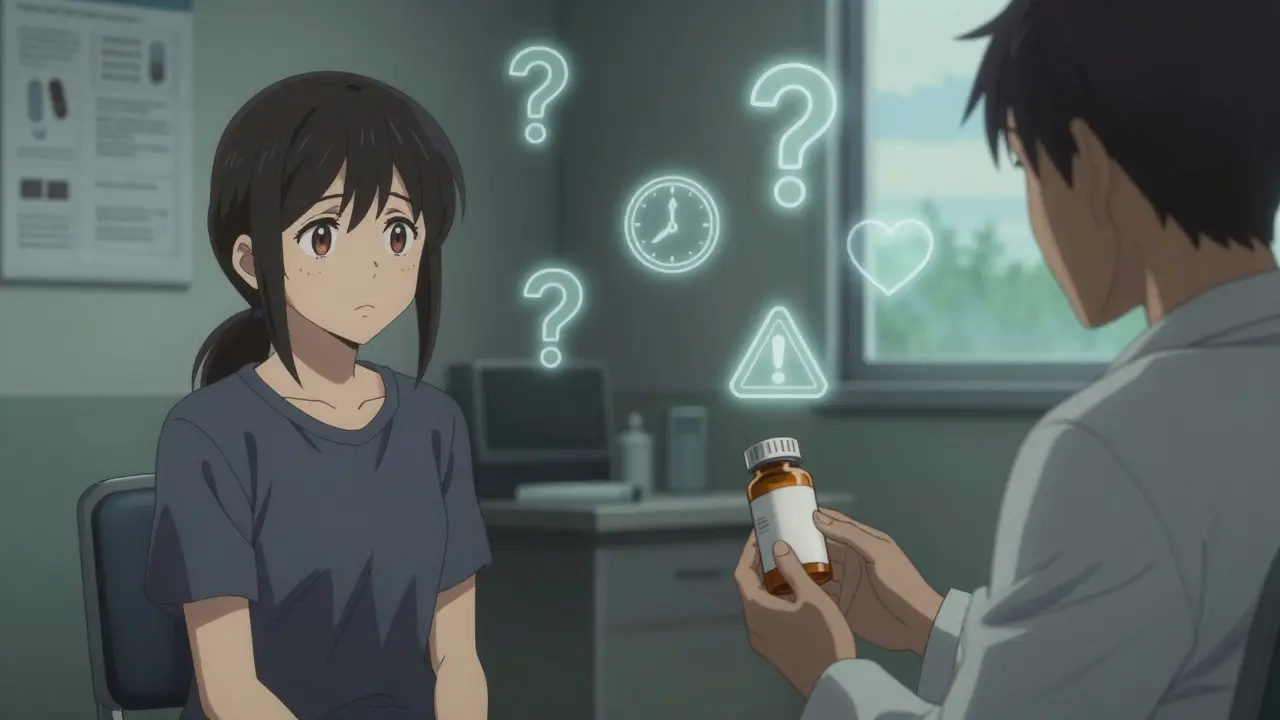
Knowing what to ask your doctor before starting a new medication can prevent dangerous side effects, improve adherence, and save your health. Here are the essential questions every patient should ask.

Knowing what to ask your doctor before starting a new medication can prevent dangerous side effects, improve adherence, and save your health. Here are the essential questions every patient should ask.
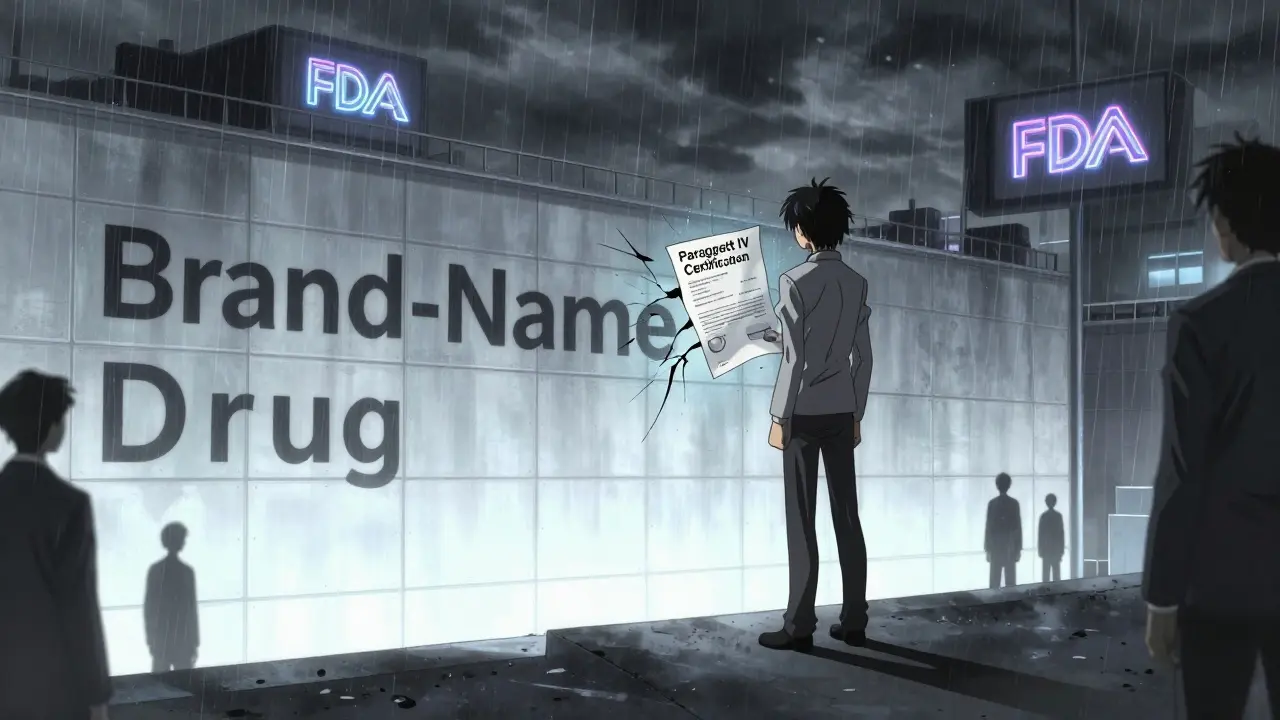
The FDA's 180-day exclusivity gives the first generic drug applicant a temporary monopoly to encourage patent challenges. But delays and loopholes often block competition, raising drug costs. Here's how it really works - and why reform is coming.

Nurses play a vital role in helping patients understand that generic medications are just as safe and effective as brand-name drugs. Learn how they use clear communication, visual aids, and teach-back methods to improve adherence and reduce fear.

Using two patient identifiers in the pharmacy is a proven way to prevent deadly medication errors. Learn how name, date of birth, and barcode systems work together to keep patients safe - and why skipping this step puts lives at risk.

Drug patents last 20 years from filing, but most drugs lose exclusivity in 7-12 years due to development delays. Learn how patent extensions, FDA exclusivity, and litigation shape when generics actually enter the market.

Learn how to manage potassium, phosphate, and magnesium imbalances-especially if you have kidney disease. Understand when levels become dangerous, how to replace them safely, and why magnesium must be fixed before potassium.

Learn how to safely use motion sickness and jet lag medications without risking drowsiness, confusion, or dangerous side effects. Get expert-backed timing tips, comparisons, and real-world warnings.

Why are insurance companies requiring approval for cheap generic drugs? Learn how prior authorization delays care, increases costs, and what’s changing in 2026 to fix it.

Codeine can cause deadly overdoses in people with a genetic trait called CYP2D6 ultrarapid metabolism. Learn who’s at risk, what symptoms to watch for, and safer alternatives to avoid tragedy.
Discover how generic migraine combination medications like sumatriptan/naproxen and acetaminophen/aspirin/caffeine offer proven, affordable relief for moderate to severe migraines-with real data on effectiveness and cost savings.