
Understand the difference between pharmacokinetic and pharmacodynamic drug interactions-how they affect your body, why they matter, and what you can do to stay safe on multiple medications.

Understand the difference between pharmacokinetic and pharmacodynamic drug interactions-how they affect your body, why they matter, and what you can do to stay safe on multiple medications.

Starting January 2026, Medicare will negotiate prices for 10 high-cost drugs, cutting costs by up to 79%. Learn how it works, who benefits, and what it means for private insurance and future drug pricing.

Switching to a generic medication can save money, but not all generics work the same for everyone. Learn how to track your symptoms, lab results, and side effects after a switch to ensure your treatment stays effective.
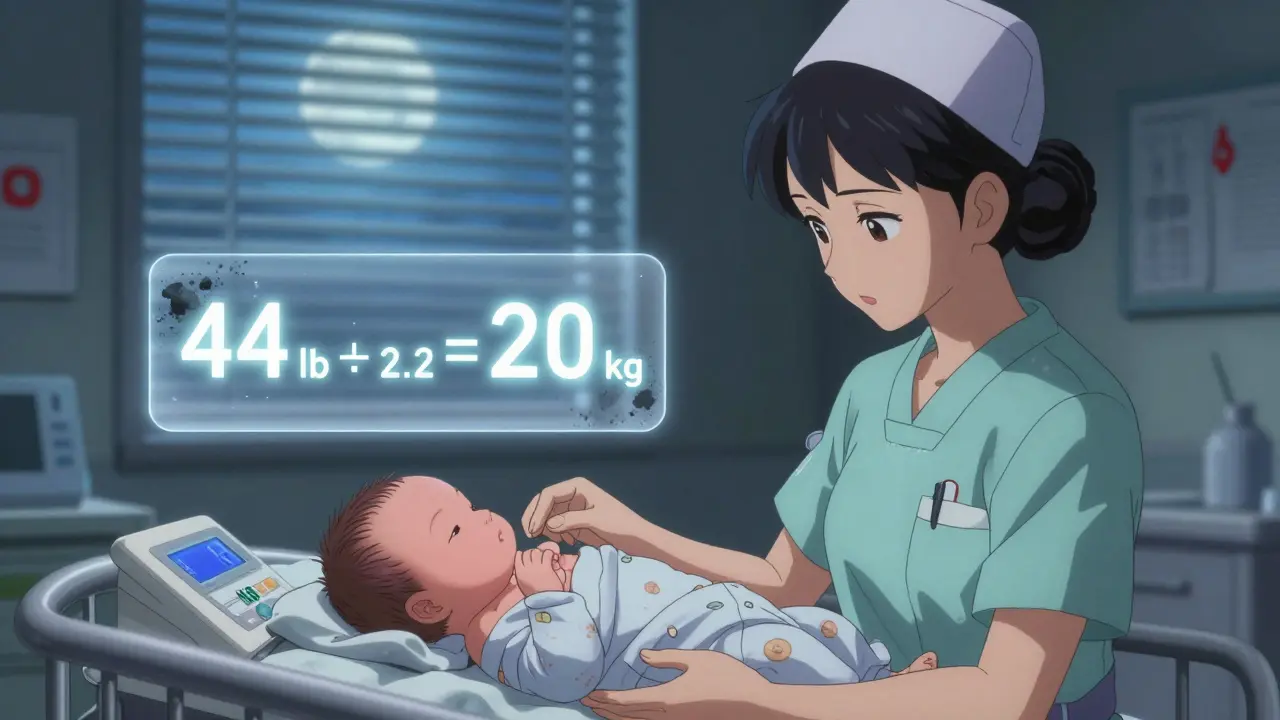
Weight-based dosing is the gold standard for pediatric medication safety. Learn how to calculate mg/kg doses correctly, avoid common errors, and why double-checks save lives.

Clarithromycin can cause deadly interactions with common drugs like colchicine, statins, and heart medications. Learn which combinations to avoid and safer alternatives that could save your life.

Learn how to create a simple, effective medication expiration review schedule to avoid unsafe or ineffective drugs. Includes high-risk meds, storage tips, tracking tools, and disposal methods.

The FDA's black box warning on antidepressants for youth was meant to prevent suicide-but research shows it may have increased risk by reducing treatment. Learn what the warning really means and how to make safe, informed decisions.

Why your generic medication might cost more than the brand-name version-explained. Learn how tiered copays, PBM rebates, and formulary changes affect your out-of-pocket costs-and what you can do about it.

Lamotrigine and valproate together can cause dangerous skin reactions-but only if dosed wrong. Learn the exact starting dose, titration schedule, and warning signs that can prevent life-threatening rashes.
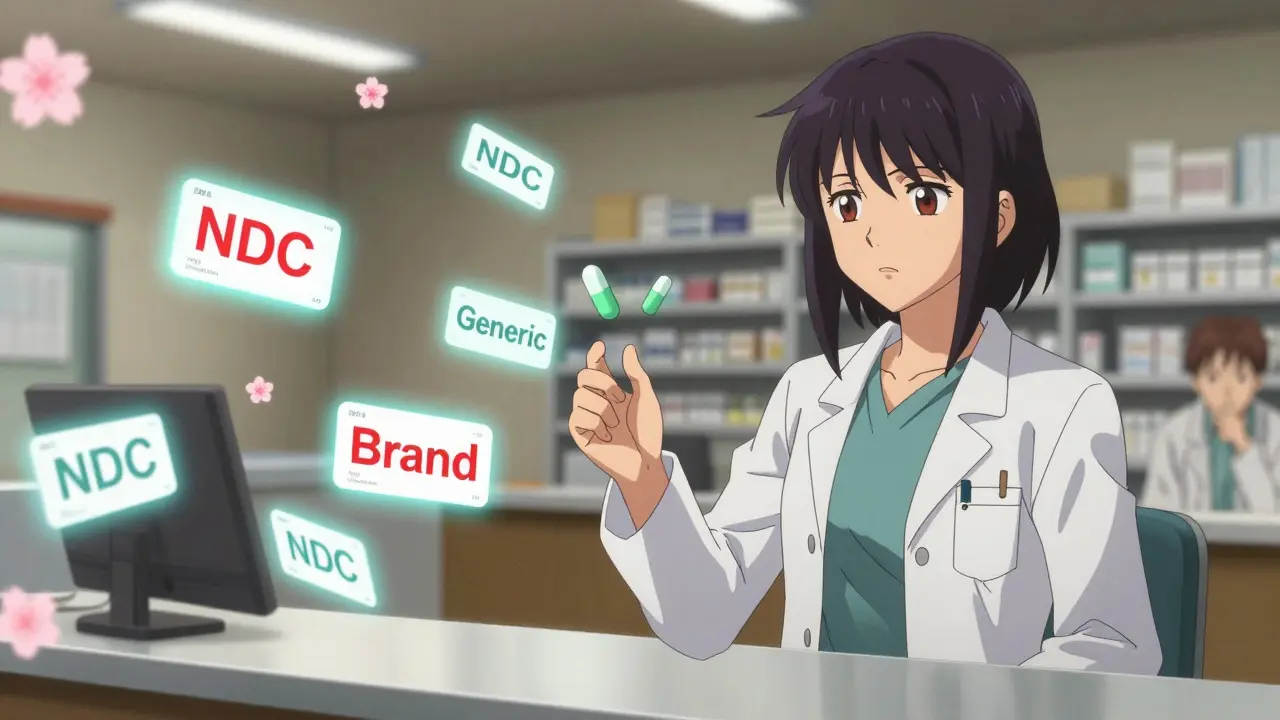
Learn how pharmacy systems accurately distinguish between generic and brand-name drugs using NDC codes, FDA Therapeutic Equivalence ratings, and best practices to ensure safety, compliance, and cost savings.