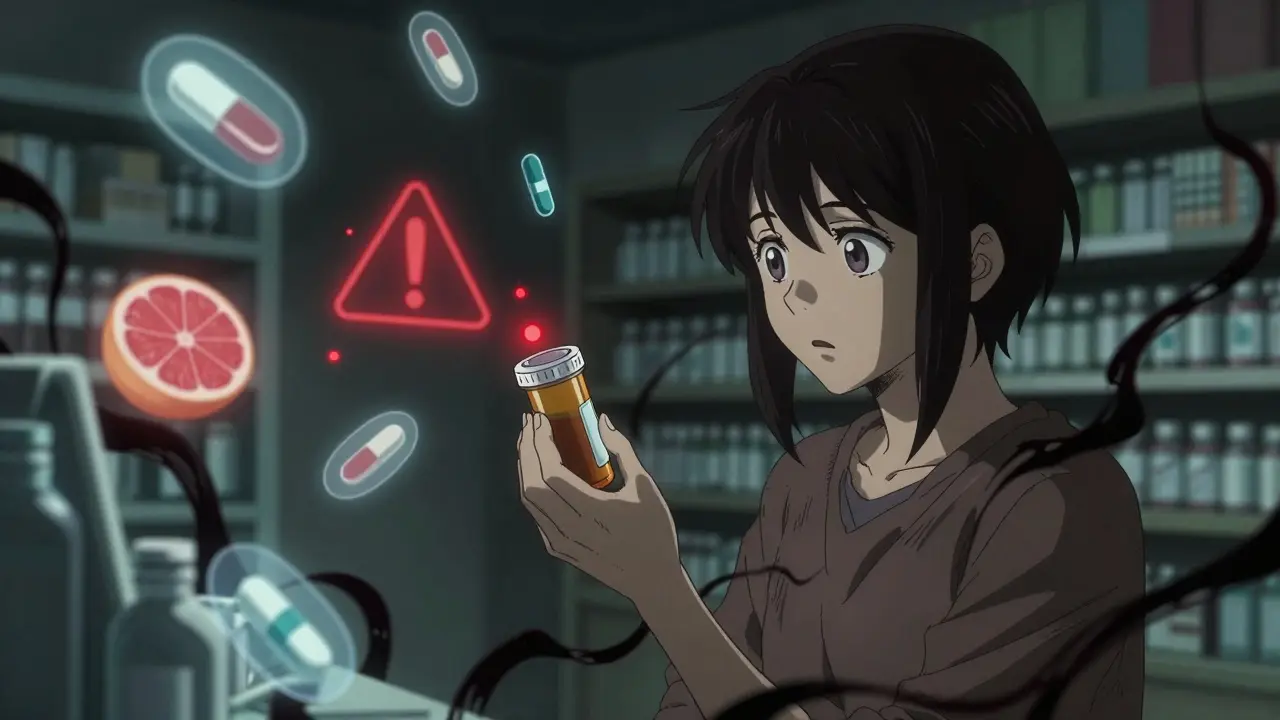

Drug interactions discovered after a medication hits the market can be deadly. Learn why clinical trials miss these risks, how real-world data catches them, and what you can do to protect yourself.
FDA-approved Rx Network - Page 7
Antibiotics can trigger yeast infections by killing off good bacteria. Learn how to prevent and treat them with proven strategies - from probiotics and antifungals to diet and clothing choices - backed by clinical research.
Learn the key differences between food intolerance and food allergy, including GI symptoms, diagnostic testing, and management strategies. Know when it's safe to eat and when you need emergency care.
Calcium and iron supplements can block up to 36% of your thyroid medication absorption. Learn the exact timing to avoid dangerous interactions and keep your thyroid levels stable.
Beta-Blockers and Calcium Channel Blockers: What You Need to Know About Combination Therapy
Combining beta-blockers and calcium channel blockers can effectively treat high blood pressure and angina-but only if the right type of calcium channel blocker is used. Verapamil and diltiazem carry serious heart risks, while amlodipine is much safer. Learn who should avoid this combo and how to use it safely.
Learn which medications are safe to split and which can be dangerous. Get clear, practical advice on how to split pills safely - and when to avoid it entirely.
Learn how to teach your family to recognize overdose symptoms in time to save a life. From spotting opioid and stimulant signs to using naloxone correctly, this guide gives you clear, actionable steps backed by health experts.
Drug-induced kidney failure is a preventable condition caused by common medications like NSAIDs, antibiotics, and contrast dyes. Learn how to recognize early signs, avoid high-risk drugs, and protect your kidneys with simple, proven strategies.
Thiazide diuretics like hydrochlorothiazide effectively lower blood pressure but can raise uric acid levels, increasing gout risk. Learn who’s most at risk, how to manage it, and safer alternatives.
Medicare Part D now has a $2,000 annual cap on out-of-pocket drug costs in 2025. Learn how the new rules work, who qualifies for Extra Help, and how to pick the best plan to save money on prescriptions.