
Worried about switching from a brand-name biologic to a biosimilar? Learn about the safety, efficacy, the nocebo effect, and how to ensure a smooth transition.

Welcome to the hub where we turn complicated drug facts into plain‑language advice. Whether you’re hunting for dosage tips, side‑effect warnings, or safe ways to buy a prescription online, this page gathers the most useful guides in one spot.
Every guide is built on FDA‑approved data, so you get reliable information without the jargon. From cancer‑prevention pills like capecitabine to everyday supplements for bone health, we cover a wide range of medicines. Think of this as your quick‑reference library – you click a title, get the facts you need, and move on with confidence.
Our collection includes:
Each guide is written in a conversational tone, so you won’t get lost in medical terminology. We aim to answer the questions you actually have – “Can I get Toradol without a prescription?” or “What’s the right dose of Bumetanide if my kidneys aren’t perfect?” – in plain English.
First, identify the medication you’re interested in. Click the title to open the full guide; you’ll see a quick summary at the top, then deeper sections on dosage, side effects, and buying tips. If you’re looking for alternatives, scroll to the comparison tables – they highlight pros, cons, and when a switch might make sense.
Second, note any FDA‑approval warnings or required lab tests. For example, our capecitabine guide flags the need for regular blood work, while the aricept guide reminds you to check liver function before refilling.
Finally, bookmark the “how to buy online safely” sections before you start shopping. They list the exact credentials to verify a pharmacy, typical price ranges, and red‑flags like “no prescription required” offers that usually turn out to be scams.
We update these guides regularly to reflect the latest FDA rulings and market changes. If you spot outdated info, let us know so we can keep the content fresh and accurate.Take a look, pick a guide, and get the knowledge you need to make safe, informed medication choices.
Worried about switching from a brand-name biologic to a biosimilar? Learn about the safety, efficacy, the nocebo effect, and how to ensure a smooth transition.

Discover how medication reminder apps and digital tools improve adherence rates, backed by 2025 research. Learn about top apps like Medisafe, security features, and real-world effectiveness data.

A practical guide for parents on discussing medication safety during pregnancy and breastfeeding. Learn what questions to ask, which resources to trust, and how to manage conflicting medical advice effectively.

Generic drugs save patients billions each year-but many still overpay due to opaque pricing. Learn how out-of-pocket costs differ between generics and brand-name drugs-and how to cut your medication bills by up to 95%.

Confusing medication instructions can lead to serious mistakes. Learn how to ask the right questions, recognize dangerous abbreviations, and ensure you’re taking your drugs safely - no guesswork needed.

Blockbuster drug patents expire in 2025 and beyond, bringing massive price drops for medicines like Entresto, Eliquis, and Keytruda. Learn what’s changing, when, and how it affects your prescriptions and healthcare costs.
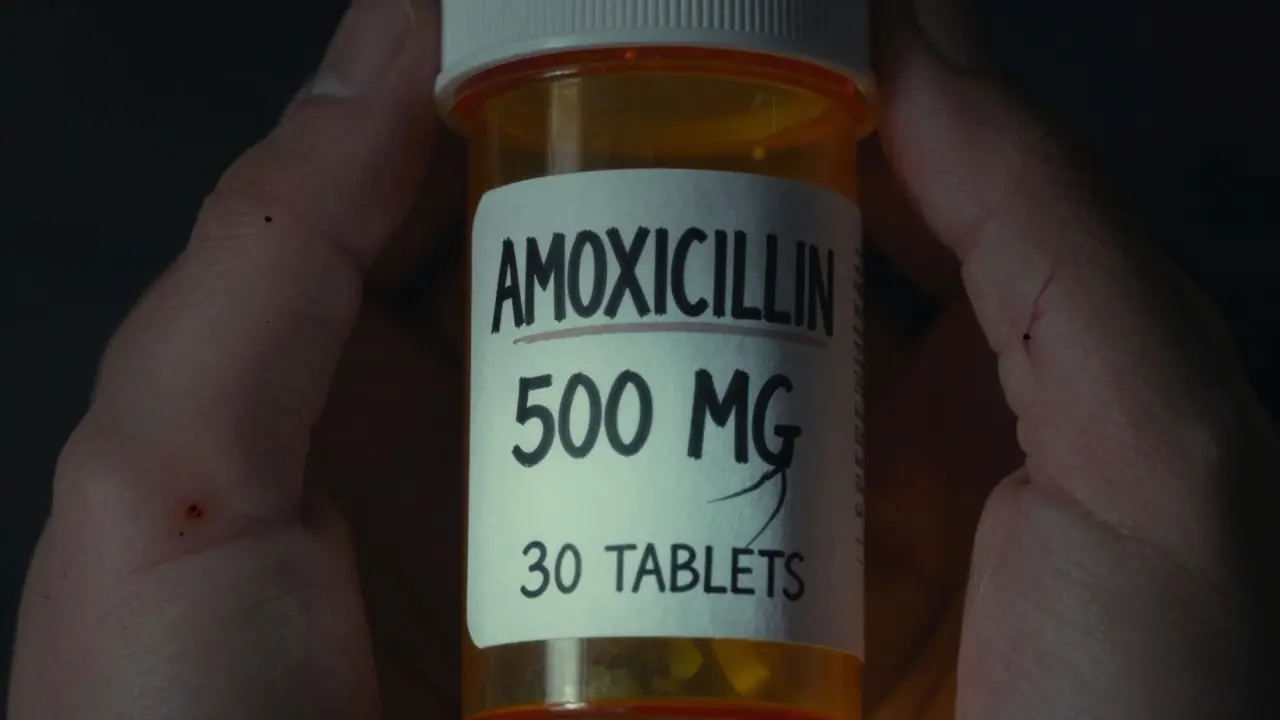
Learn how to read medication strength and quantity on prescription labels to avoid dangerous dosing errors. Simple steps to verify your meds and stay safe.

Sudden sensorineural hearing loss is a medical emergency. Steroid therapy within 72 hours offers the best chance to restore hearing. Delaying treatment risks permanent damage.

Antidepressants can disrupt sleep, especially in the first weeks. Learn which drugs cause insomnia, which help, how timing affects sleep, and practical steps to manage it-backed by 2026 research.

Women experience adverse drug reactions nearly twice as often as men due to biological differences and outdated clinical trial practices. This article breaks down why, which drugs are most affected, and what’s being done to fix it.